
Last updated November 2, 2026
 Whole-home duct cleaning
 Dryer vent cleaning
 Camera inspection
 Sanitizing & deodorizing
Whole-system duct and dryer vent check with before-and-after photos - you see exactly what came out of your vents
That "$99 whole-house special" is a bait ad - the real number appears once they are in your hallway, or the "clean" is a shop-vac at the register. We photograph the inside of your ducts before and after instead.
Air Duct Cleaning Warning Signs: A Brentwood Homeowner’s Reference Guide
Here’s something that surprises most Brentwood homeowners: the average six-room house circulates roughly 40,000 cubic feet of air per hour through its duct system. That air passes through the same channels day after day, year after year, and the ductwork itself is the only part of your HVAC system you never actually see. While compressors get annual tune-ups and filters get changed on a schedule, the network of sheet metal and flex duct behind your walls quietly accumulates whatever your household generates: dust, pet dander, construction debris, the occasional rodent nest, and in Brentwood’s dry summer climate, an impressive volume of fine particulate that settles and recirculates. This guide covers the warning signs that indicate your ducts need attention, how to check them yourself with methods that don’t require special tools, and when the smart move is to bring in a specialist with professional-grade equipment rather than waiting for the problem to compound.
Quick Answer
The most common warning signs that your air ducts need cleaning in Brentwood are: visible dust or debris blowing from supply registers, rooms that consistently run warmer or cooler than the rest of the house, a musty or dusty odor when the system starts up, air filters loading up with debris in under three weeks, and unexplained increases in allergy symptoms among household members. Any two of these occurring together warrants a professional inspection.
Styles & brands we work with
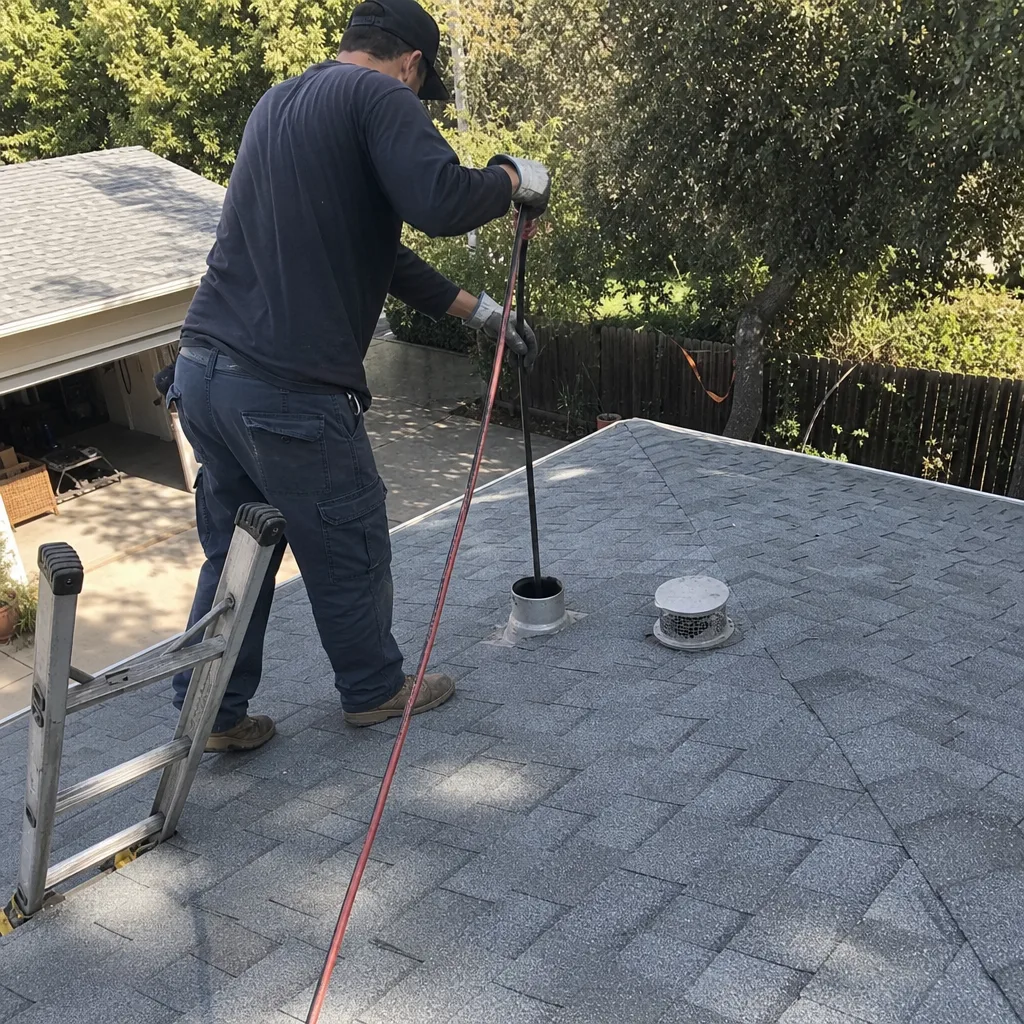
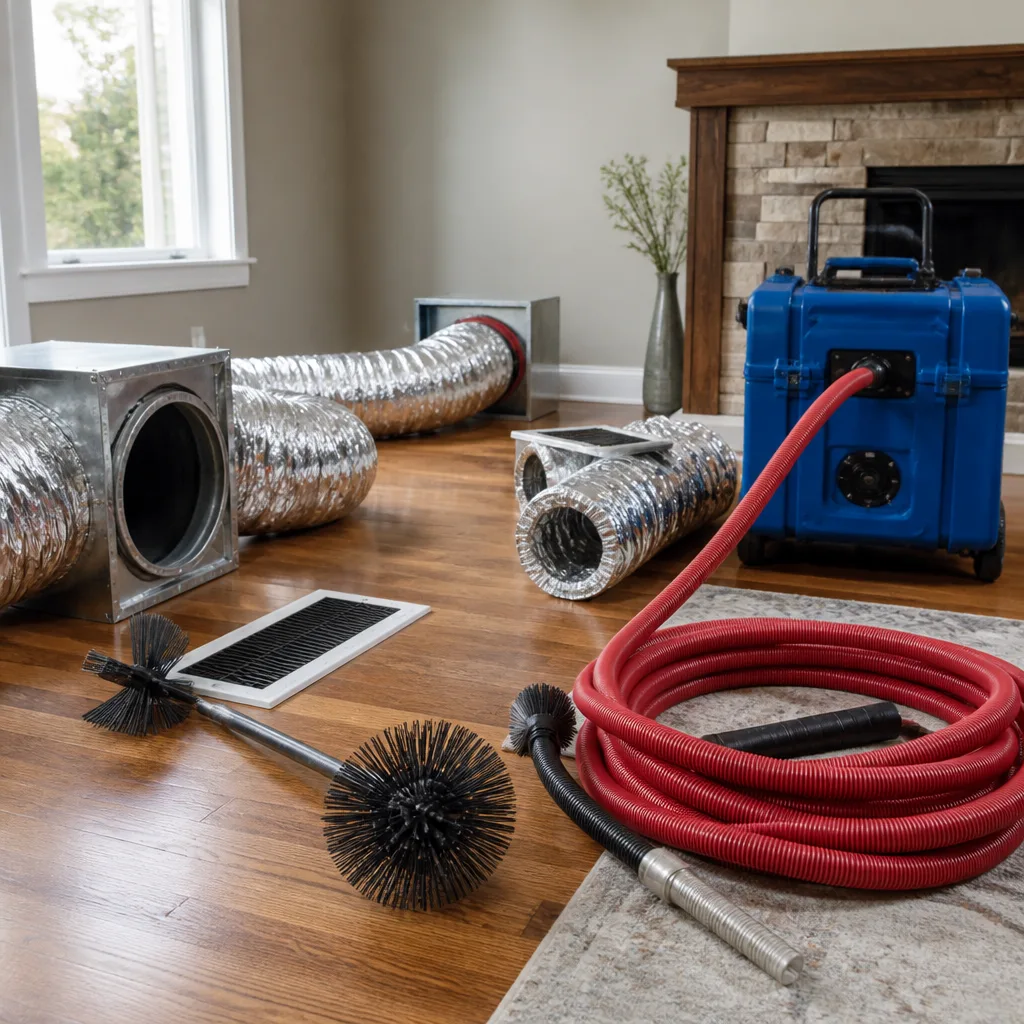
- Whole-home duct cleaning
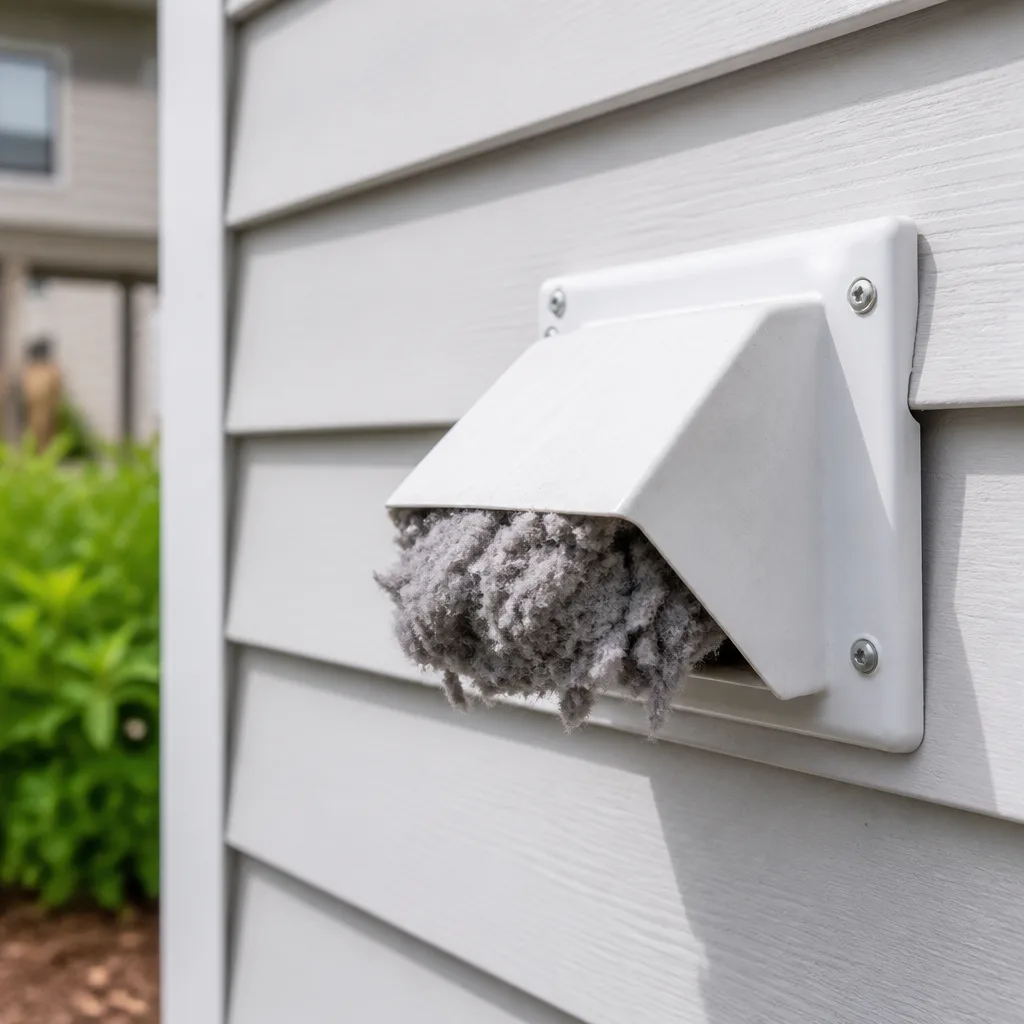
- Dryer vent cleaning
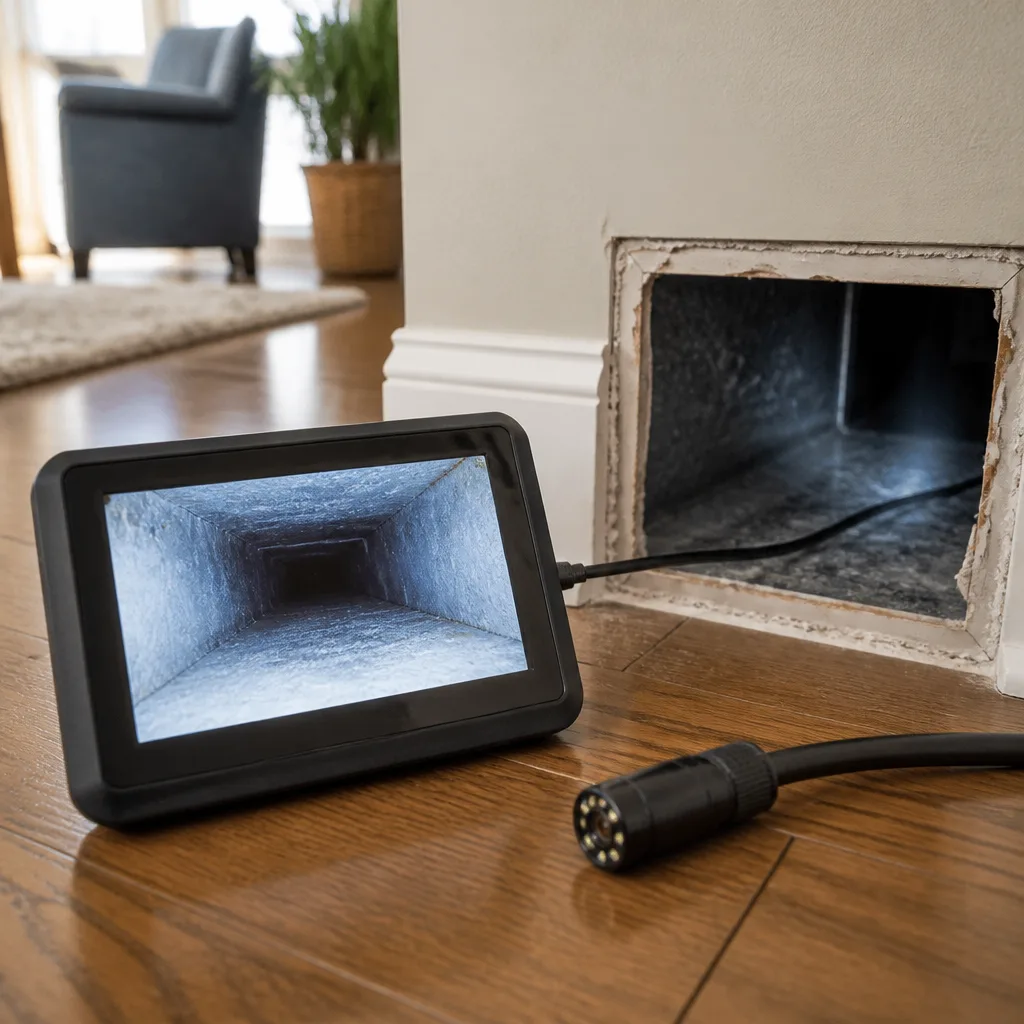
- Camera inspection
- Sanitizing & deodorizing
Table of Contents
- Airflow Discrepancies Between Rooms: The Test You Can Do Today
- Visible Particulate Discharge from Supply Registers
- Odor Signatures: What Different Smells Actually Mean
- Filter Loading Rate: The Diagnostic Most Homeowners Overlook
- Post-Renovation and Post-Rodent Indicators
- Allergy Symptoms That Track With System Runtime
- Rising Energy Bills Without Rising Temperatures
- Common Mistakes to Avoid
- When to Call a Professional
- Frequently Asked Questions
Airflow Discrepancies Between Rooms: The Test You Can Do Today
Uneven temperatures between rooms is the warning sign Brentwood homeowners notice first, but most attribute it to the wrong cause. The logic feels sound: if the master bedroom runs six degrees warmer than the living room, the system must be undersized or the thermostat must be misreading. Sometimes that’s true. But when an HVAC system was correctly sized and balanced at installation, and airflow degradation happens gradually over years, the culprit is almost always restriction inside the duct network itself: collapsed flex duct, a disconnected joint, or years of accumulated debris narrowing the effective diameter of the run.
Here’s the physical test you can perform at each register in under ten minutes, no tools required:
- Turn your system’s fan to the “On” position at the thermostat so the blower runs continuously.
- Hold a single-ply tissue or a lit incense stick (held safely away from anything flammable) about two inches from each supply register.
- Observe the tissue’s movement. A healthy register will push the tissue to a roughly 45-degree angle and hold it there steadily.
- Compare registers across the house. If the tissue barely moves at one register while fluttering strongly at another on the same floor, you’ve mapped a restriction.
- Repeat the test with the system in cooling mode, then again in heating mode if you have a heat pump or furnace. Some restrictions only present under specific airflow directions or static pressures.
What you’re looking for is the pattern, not any single reading. One weak register might be a damper setting or a kinked flex run near the boot. Weak airflow across an entire wing or floor points to a main trunk line issue: a disconnected section, a collapsed duct, or a blockage substantial enough to affect everything downstream of it. In Brentwood’s two-story homes, we consistently see second-floor registers losing airflow first because the vertical runs are longer and the static pressure losses are higher. When a restriction develops, those rooms feel it before anyone downstairs does.
This is the point where a specialist becomes valuable. Identifying that airflow is restricted is something a homeowner can do with a tissue. Identifying where along a 30-foot run the restriction sits, and whether it’s debris, damage, or a disconnected joint, requires inspection cameras and airflow measurement tools. For a deeper look at our process, start with the Air Duct Cleaning in Brentwood page.
Visible Particulate Discharge from Supply Registers
Walk into any room in your house on a sunny afternoon and look at the air near a supply register while the system runs. If you see a steady stream of fine particles drifting through the light beam, that’s not atmospheric dust settling. That’s your duct system actively distributing particulate into your living space.
There’s a difference between occasional dust and the kind of continuous discharge that signals a duct problem:
- Normal settling dust appears gradually on horizontal surfaces over days or weeks and is evenly distributed through a room.
- Duct discharge appears as a visible plume from the register while the blower runs, and you’ll often see a darker dust shadow on the wall or ceiling immediately surrounding the register opening.
- Debris fragments are irregular: bits of insulation, paint chips, drywall dust, or even fine sand. In Brentwood, homes built during the construction booms of the early 2000s often have residual drywall dust in the duct system that was never cleaned after the builders finished. That dust is alkaline calcium sulfate and it’s especially irritating to respiratory tissue.
- Mold fragments appear as small black or dark green specks and are typically sticky rather than dry. They don’t blow easily with a puff of breath the way dry dust does. If you’re seeing these, the problem is moisture-related and cleaning alone won’t resolve it; the moisture source has to be identified first.
One distinction worth making: dust and debris are a hygiene problem. Mold fragments are a moisture problem with a hygiene component. The first gets resolved by air duct cleaning in Brentwood with proper agitation and extraction equipment. The second requires finding where water is entering the duct system, which is a repair issue. Sometimes the two overlap, and that’s where a specialist who does both cleaning and air duct repair in Brentwood under one roof changes the equation: the problem gets fixed, not just cleaned around.
Odor Signatures: What Different Smells Actually Mean
Odors are the warning sign most often dismissed. A smell that appears when the system starts and fades after a few minutes gets rationalized away: it’s an old house, the system is just doing that, it’s been that way for years. But smell is information, and different odor signatures point to different problems. Here’s what we’ve learned from inspecting thousands of duct systems in Brentwood.
The dusty or musty smell at startup. This is the most common odor complaint, and it’s almost always accumulated debris inside the ducts. Here’s the mechanism: dust, skin cells, pet dander, and pollen settle inside ductwork during the off-cycle. When the blower spins up, that layer of debris gets agitated and the first few minutes of air pushed into the room carries the smell of whatever has been sitting in the ducts. This is generally a cleaning issue. The fix is straightforward: remove the debris with equipment that reaches the full duct run, not just the first few feet past the register.
The persistent mildew odor during operation. This one indicates active biological growth, not just accumulated dust. Mildew requires moisture. In Brentwood’s hot, dry summers, the most common moisture source is condensation forming where cool supply air passes through unconditioned spaces: attics, crawlspaces, or exterior wall cavities. If you smell mildew while the system runs rather than just at startup, you’re dealing with a moisture problem inside the ductwork or at the air handler, and cleaning alone will be a temporary fix at best. The moisture source has to be addressed.
The sharp metallic or chemical smell. This is the one that gets our attention fastest. A metallic smell can indicate the blower motor is overheating or that sheet metal components are rubbing. A chemical smell, especially one that resembles formaldehyde or burnt plastic, points to deteriorating materials: adhesives breaking down, insulation off-gassing, or in some cases, a failed electronic component. These are HVAC problems, not duct-cleaning problems, and they need diagnosis before anything else happens.
The rodent odor. Unmistakable once you’ve smelled it: a sharp, ammonia-forward scent that gets worse when the heat runs. Rodents nest in ductwork, particularly in the flex duct runs that sit in attics and crawlspaces where temperatures stay warm. Urine and droppings inside a duct system are a serious contamination issue that requires full removal and sanitization, and in many cases the damaged flex duct sections need to be replaced entirely because the contamination penetrates the inner liner. This connects directly to the air duct repair side of what we do: you cannot sanitize what should be replaced.
Filter Loading Rate: The Diagnostic Most Homeowners Overlook
Your air filter tells you more about your duct system than you think. Most Brentwood homeowners check the filter when they remember to, usually as part of a seasonal routine. But the rate at which a filter loads up is a diagnostic signal.
The standard guideline is that a 1-inch MERV-8 filter in a typical Brentwood home should last roughly 30 to 90 days before it’s visibly loaded, depending on household size, pets, and how often windows are open. If you’re finding your filter fully loaded in under three weeks, with that characteristic gray coating of fine particulate, something is wrong. The filter isn’t failing. It’s doing its job, and it’s catching an abnormal amount of material.
Here’s what fast filter loading typically means:
- The duct system is pushing debris forward. Accumulated dust inside the ducts is being dislodged by airflow and carried to the filter, where it gets caught. The filter is acting as a net catching debris that should never have been in the system in the first place.
- Return-side leaks are pulling in unfiltered air. If the return ductwork has gaps or disconnected joints, it’s drawing air from unconditioned spaces: attics, crawlspaces, wall cavities. That air carries insulation fibers, construction debris, and whatever else lives in those spaces.
- The filter is undersized or the wrong type. A filter that’s too restrictive for your system’s static pressure will load unevenly and appear “dirty” faster on one side.
The practical test is simple. Note the date each time you change your filter. If you’re doing it more than once a month during cooling season, the ambient air quality in your home is not the primary problem. The duct system is. A professional cleaning with equipment that actually removes debris from the full duct run addresses the source, rather than continuing to treat the filter as a consumable that should somehow absorb a problem it was never designed to handle.
Post-Renovation and Post-Rodent Indicators
Two specific scenarios in Brentwood create duct contamination that no amount of household cleanliness will fix: renovations and rodent activity. Both require professional assessment before you run the HVAC system again.
Post-Renovation Contamination
Brentwood has seen steady remodeling activity for a decade: kitchen gut jobs, bathroom updates, room additions, flooring replacement. Every one of these projects generates fine particulate that finds its way into ductwork. Here’s the sequence we see repeatedly:
- Contractors run the HVAC system during construction to keep the work area comfortable.
- Drywall dust, sanding debris, and paint overspray get pulled into the return registers and distributed through the system.
- That debris settles inside the duct runs, especially in horizontal sections where airflow is slower.
- After the renovation ends, the first few weeks of normal system operation blow that debris back into the freshly finished space, coating new paint and new floors with a fine layer of dust that seems to appear from nowhere.
The time to clean ducts is after the renovation is complete, never before. Cleaning before a renovation just means the ducts get re-contaminated immediately. After the project, a proper cleaning removes all the construction debris in a single pass, and the system starts its life in the renovated home clean. If you’re planning a renovation in Brentwood, schedule the duct cleaning for after the final sanding and painting.
Post-Rodent Indicators
Rodent activity in ductwork leaves specific evidence. Check for:
- Scratching sounds from the ceiling or walls when the system is off, especially at night.
- Droppings visible inside the register openings when you remove the covers and look in with a flashlight.
- Gnawed edges on flex duct or insulation visible in the attic.
- The sharp ammonia odor described earlier, which intensifies when the heat runs.
If rodents have been in the ducts, the cleanup is not just about contamination removal. Insulation that’s been soiled, or flex duct that’s been chewed through, often needs to be replaced rather than cleaned. That’s air duct repair work, not cleaning work. We’ve seen many cases where a homeowner paid for cleaning alone, only to have the odor return weeks later because the contaminated material was still in the system. Full remediation requires both disciplines, which is why we handle air duct repair in Brentwood alongside cleaning.
Allergy Symptoms That Track With System Runtime
This is the warning sign most people never connect to their ducts because the correlation is invisible unless you’re looking for it. Here’s the pattern we hear from Brentwood homeowners repeatedly: allergy symptoms that are mild in the morning, worsen through the afternoon, peak in the evening, and improve overnight after the system has been running less. Or the inverse: symptoms that are worst in the bedroom at night while the system runs and improve when they leave the house for work.
The mechanism is straightforward. If the ducts are the source of the irritation, symptom severity tracks with system runtime. The more the blower runs, the more particulate gets distributed into the living space. The less it runs, the less exposure you have.
Here’s a simple way to test the correlation:
- For three days, run your system normally. Note your symptom severity on a 1-10 scale at morning, noon, and evening.
- For the next three days, leave the system off as much as possible. Open windows in the morning and evening when Brentwood’s temperatures allow it. Note the same symptom scores.
- Compare the two periods. If symptoms track closely with system operation, your duct system is a likely contributor.
If the correlation holds, the next step is an inspection. A professional can tell you whether the issue is debris accumulation, biological growth, or something else entirely. The diagnostic process matters here because the fix differs by cause. Cleaning addresses debris. Repair addresses leaks that pull contaminated air into the returns. Moisture control addresses mold. A specialist who only offers one service will always diagnose the problem that fits their service. A company that does cleaning and repair can tell you the truth, because either outcome is work they can perform.
Rising Energy Bills Without Rising Temperatures
Brentwood summers are hot. July and August highs regularly push past 95°F, and the cooling season runs from May through October. In that climate, energy bills fluctuate naturally with the heat. But when your July bill is 20% higher than last July, and last July was just as hot, something in the system has changed. One of the most overlooked contributors is restricted airflow from debris-loaded ducts.
The physics are simple. Your HVAC system is designed to move a specific volume of air. When restriction builds inside the ductwork, the blower has to work harder to push air through the constriction. That means longer runtimes to reach setpoint temperature. It means the compressor runs longer for the same cooling output. It means more energy consumed for the same result. Restricted airflow also wreaks havoc on heat exchangers in furnaces and coils in air conditioners, because reduced airflow means reduced heat transfer, which means components overheat and fail prematurely.
If your bills are up and your thermostat setting hasn’t changed, consider whether the airflow test described earlier showed any restrictions. If it did, cleaning the ducts is often the single most effective thing you can do to restore system efficiency, before you call an HVAC tech and before you consider replacing equipment. It’s also materially cheaper than either of those outcomes. For a full breakdown of what’s involved, see the Air Duct Cleaning in Brentwood page.
One more consideration specific to Brentwood: many homes in the area were built with flex duct systems that are now 15 to 25 years old. Flex duct sags over time. The inner liner separates from the insulation. The wire coil loses tension. When that happens, the effective diameter of the duct decreases, and the system simply cannot move the air it was designed to move. In those cases, cleaning helps, but the real fix is repair or replacement of the damaged runs. We cover this more thoroughly in our discussion of air duct repair in Brentwood.
Common Mistakes to Avoid
- Assuming uneven temperatures mean the HVAC unit is failing. Before you pay for a service call on the equipment, map your airflow at the registers. A restriction in the duct system presents exactly like an undersized or failing unit, and the duct fix is usually far less expensive.
- Changing the filter more often instead of addressing the duct issue. A filter that loads in two weeks is telling you something about your ducts. Buying premium filters and replacing them monthly treats the symptom while the debris problem inside the ducts continues to worsen.
- Cleaning ducts before a renovation rather than after. The order matters. Clean after the work is done, not before. Anything else means paying twice.
- Assuming a musty smell means the ducts need cleaning. A persistent mildew odor during system operation indicates a moisture problem. Cleaning alone will not fix moisture. The source has to be found and resolved, or the odor returns within months.
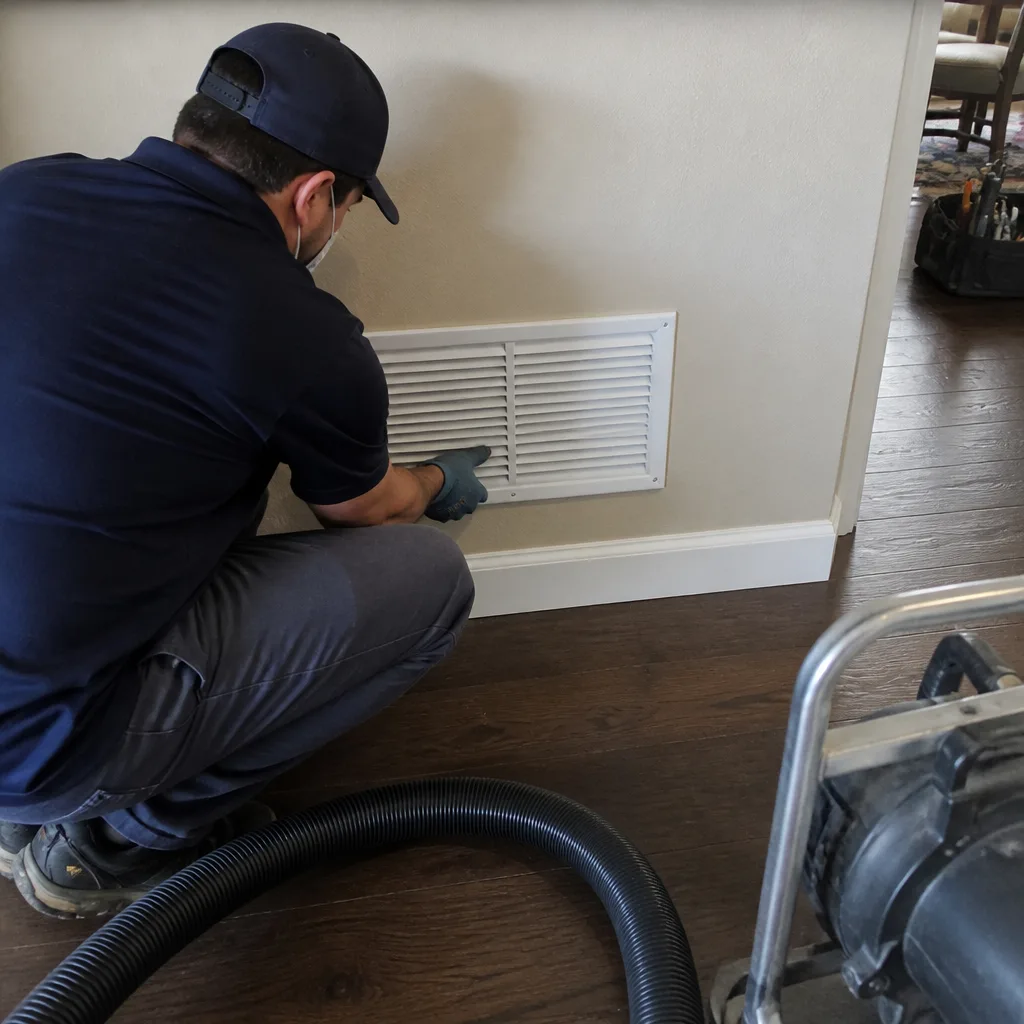
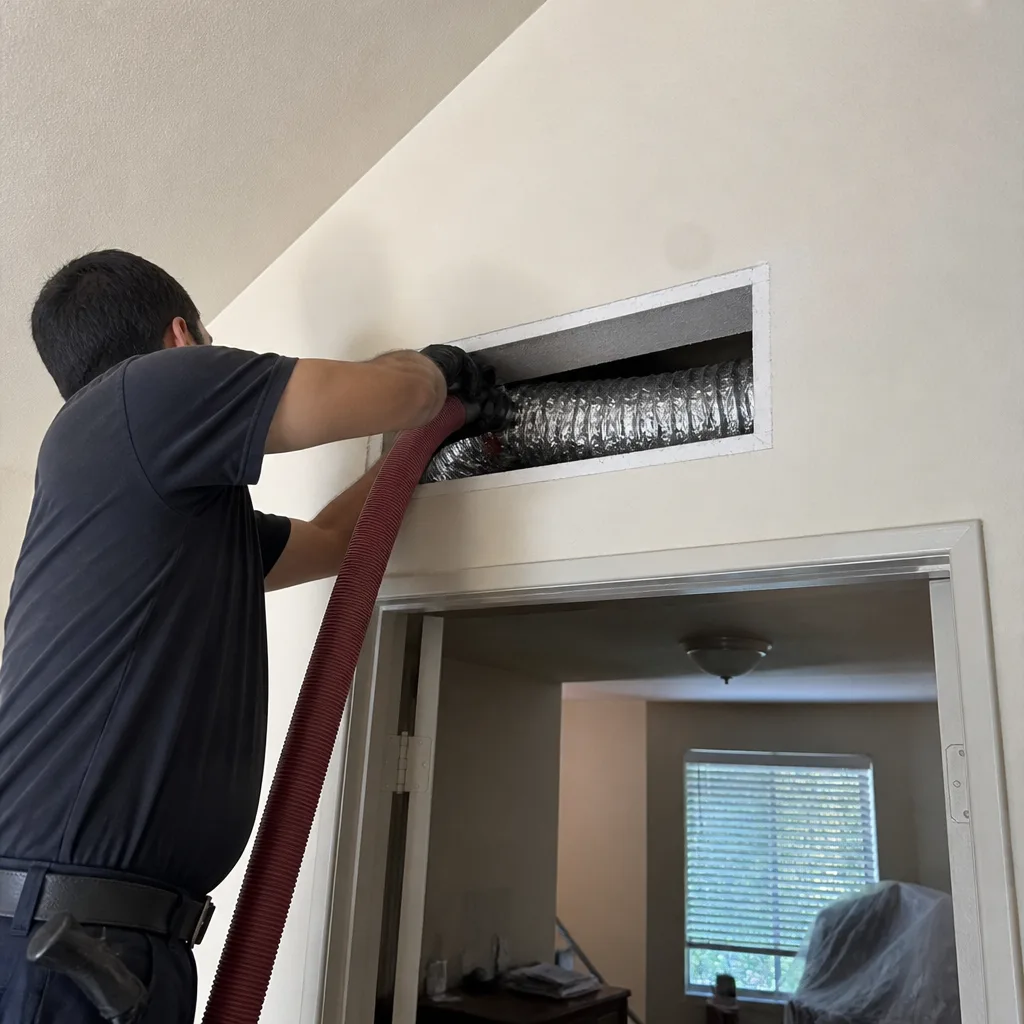
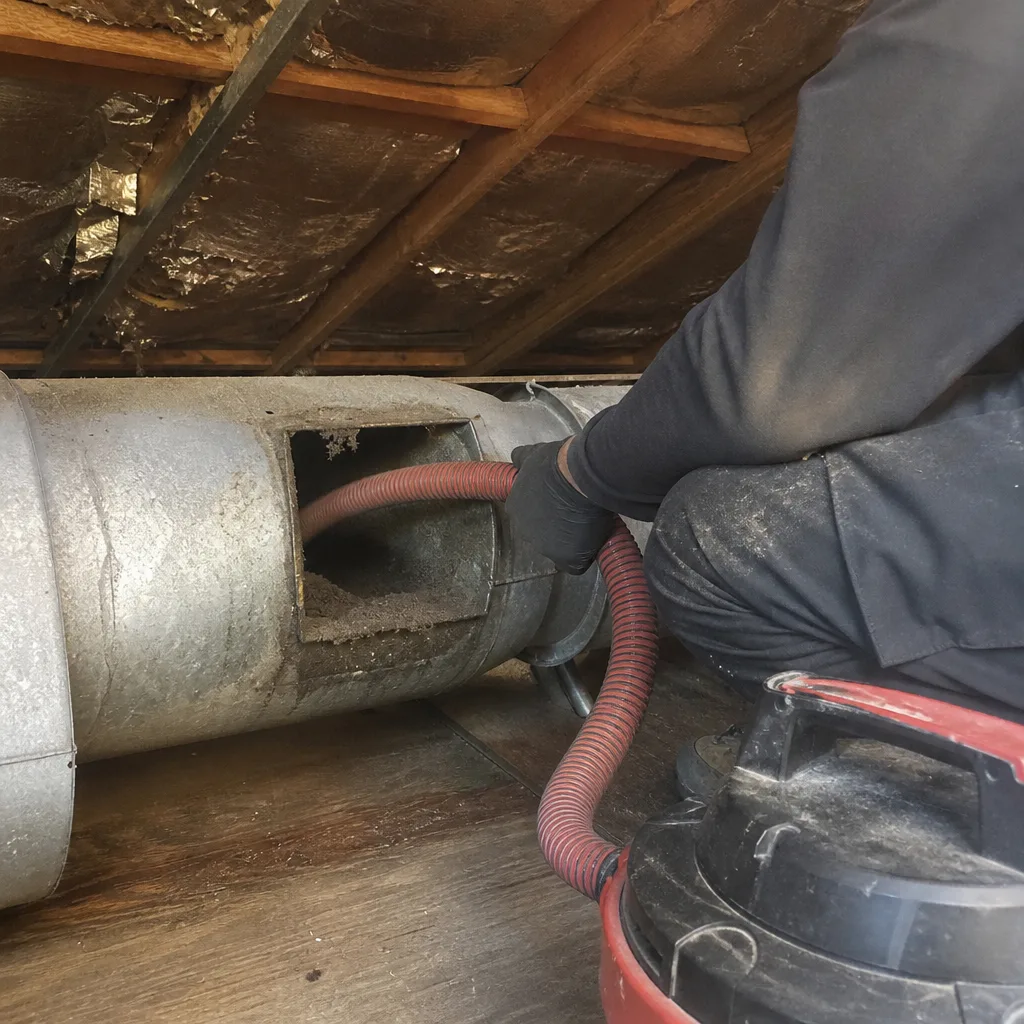
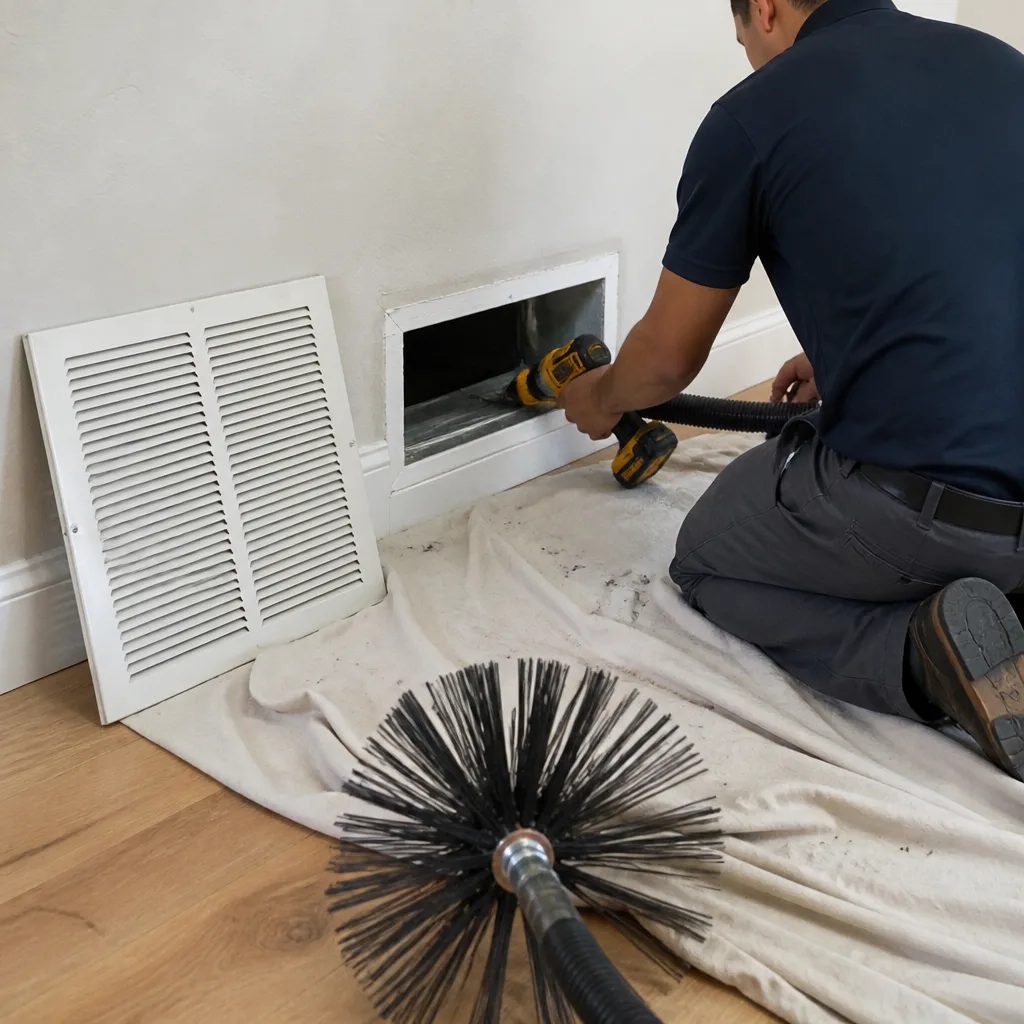
- Using a shop vac or consumer-grade equipment on a duct problem. A shop vac cannot reach past the first few feet of a duct run. The debris that matters is deeper in the system. Professional-grade equipment like Rotobrush and Nikro systems uses high-torque agitation and negative-air extraction to pull debris from the full duct run, which is a fundamentally different process than vacuuming the register opening.
- Ignoring rodent evidence because it’s unpleasant to deal with. Rodent contamination doesn’t get better with time. It gets worse. The longer it sits, the more likely the flex duct needs replacement rather than cleaning. Addressing it early is cheaper in every case we’ve seen.
- Treating duct cleaning as a routine maintenance item on a fixed schedule. Ducts don’t need cleaning on a calendar schedule. They need cleaning when the conditions warrant it: after renovation, after rodent activity, when airflow tests show restriction, or when visible discharge confirms contamination. Cleaning clean ducts is wasted money. Identifying dirty ducts and cleaning them is the entire point.
When to Call a Professional
If you’ve run the airflow test and found one or more weak registers, if you’re seeing visible particulate blowing from supply registers, if your filter loads up in under three weeks, or if you smell mildew or rodent odor during system operation, the time for DIY assessment is over. These conditions require professional inspection equipment: cameras that can see the full duct run, airflow measurement tools, and the training to interpret what’s found. In our experience, by the time a homeowner notices two or more of the warning signs in this guide, the underlying problem has usually been developing for months or years. The cost of addressing it today is lower than the cost of addressing it after another cooling season pushes the system harder against the restriction. Duct Cleaning Brentwood offers free estimates in Brentwood, and we’ll tell you honestly whether cleaning is warranted or whether the issue lies elsewhere. Call (833) 631-4988.
Frequently Asked Questions
Air duct cleaning in Brentwood typically runs between $450 and $900 for a standard 2,000 to 2,500 square foot home, depending on the number of systems, the condition of the ductwork, and whether sanitization or repair work is needed. Homes with significant contamination, rodent remediation, or repair requirements will exceed that range. Beware of quotes significantly below this range: the equipment required to do the job properly costs real money to operate and maintain, and a $99 whole-house cleaning is a marketing hook, not a real price. Call (833) 631-4988 for an exact quote. Estimates are free.
Cheaper duct cleaning quotes almost always mean one of two things: the company is using consumer-grade equipment that cannot reach the full duct run, or the low price is a teaser that will multiply once the technician arrives and “discovers” additional work. Professional duct cleaning requires contractor-grade agitation and extraction equipment, proper containment, and time. That has a cost. A company that quotes a fraction of the professional rate is either cutting the process down to a token effort or planning to inflate the invoice later. The honest pricing model is one flat price per system, agreed before work starts, with no per-vent pricing and no surprise upcharges. That’s how we operate.
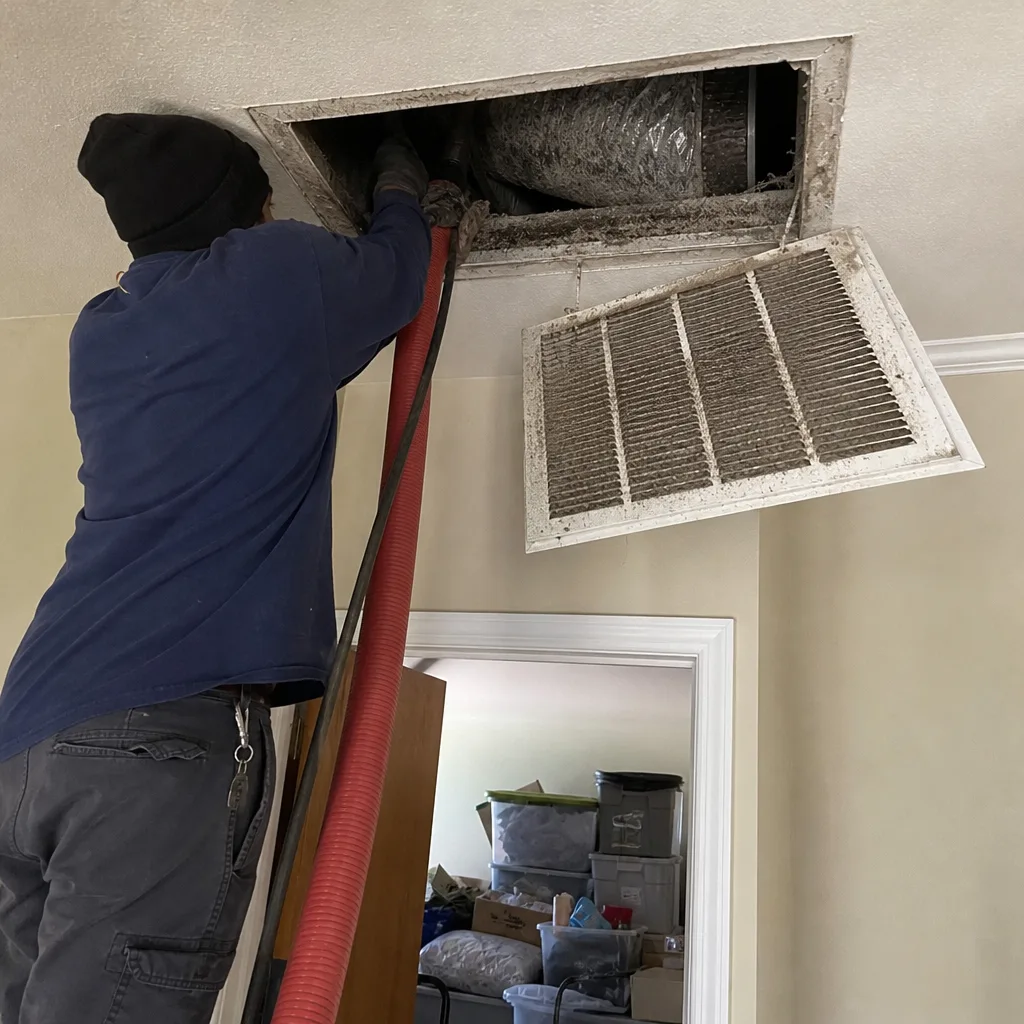
You should receive before-and-after photos of the duct system from the inspection camera. If the company runs a camera through the ducts before cleaning and again after, you’ll see the difference with your own eyes. Some companies use the same camera for both passes so the comparison is apples-to-apples. Ask for this before you book. If a company won’t provide camera verification, find one that will. The work is verifiable, and a company that refuses verification is telling you something about what they expect you to see.
There is no fixed schedule. Ducts need cleaning when conditions create contamination: after a renovation, after rodent activity, after a water event, or when the warning signs in this guide are present. Many Brentwood homes go a decade or more between cleanings because their ducts stay clean. Others need attention sooner because of specific events. The National Air Duct Cleaners Association suggests considering cleaning every 3 to 5 years, but that’s a consideration guideline, not a mandate. If your ducts show no warning signs and your filter loading rate is normal, cleaning is not urgent. If the signs are present, waiting doesn’t make the problem smaller.
It can, but only if the ducts are actually contributing to the problem. If your symptoms track with system runtime as described in this guide, cleaning removes the accumulated debris that’s being distributed into your living space, and many Brentwood homeowners report significant symptom relief after a proper cleaning. If your allergies are driven by outdoor pollen that enters through open windows and doors, duct cleaning won’t change that. The diagnostic step is running the runtime-correlation test described above. If the correlation holds, the ducts are a likely contributor and cleaning is a reasonable intervention. Brentwood’s extended dry season means outdoor particulate is a constant, and keeping the indoor system clean is the one variable you can control.
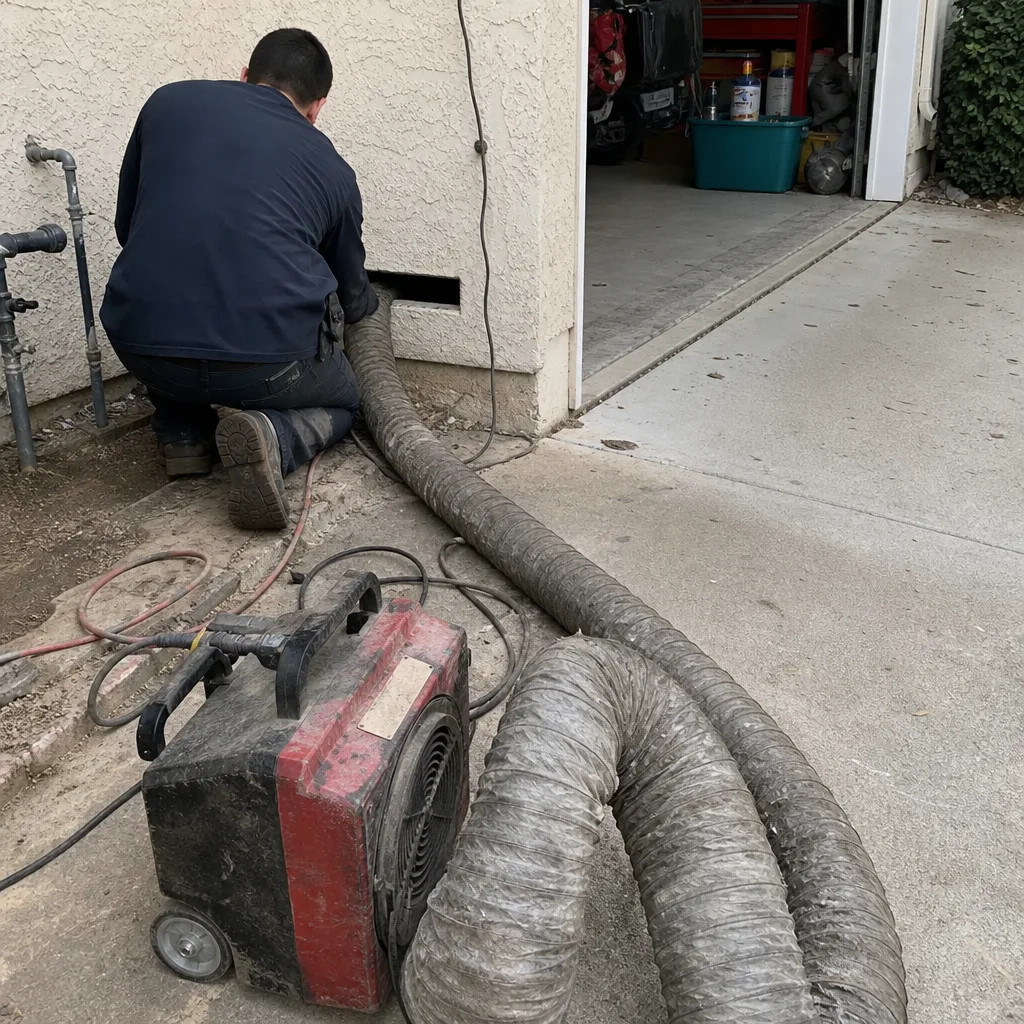
Yes. Dryer vent cleaning in Brentwood is a core service. Built-up lint is a leading cause of dryer fires, and most homeowners have no idea how much lint is packed into the vent run behind the wall. The service is straightforward: we clean the full vent run from the dryer connection to the exterior termination, remove the accumulated lint, and verify airflow with a measurement tool before we leave. Given that Brentwood homes often have longer vent runs from the laundry room to the exterior, lint accumulation is a real fire risk that deserves the same attention as the supply and return ducts.
The Bottom Line
Most air duct problems in Brentwood announce themselves quietly: a bedroom that runs warm, a filter that loads up too fast, a dusty smell at startup, a fine stream of particles in the afternoon light. None of these are dramatic, and each of them is easy to attribute to something else. But taken together, or even taken individually when they’re pronounced, they point to a duct system that’s overdue for attention. The good news is that the diagnosis doesn’t require guesswork. The airflow test costs nothing. The filter-loading observation costs nothing. The odor question costs nothing. Do the homework, check the warning signs, and if they point to the ducts, call a specialist who does this work with professional-grade equipment and verifiable results. Duct Cleaning Brentwood serves the entire Brentwood area. Call (833) 631-4988 for a free estimate.
Written by the team at Duct Cleaning Brentwood, serving Brentwood since 2018.
See the difference
 Before
 After
 Before
 After
 Before
 After