
Last updated November 3, 2026
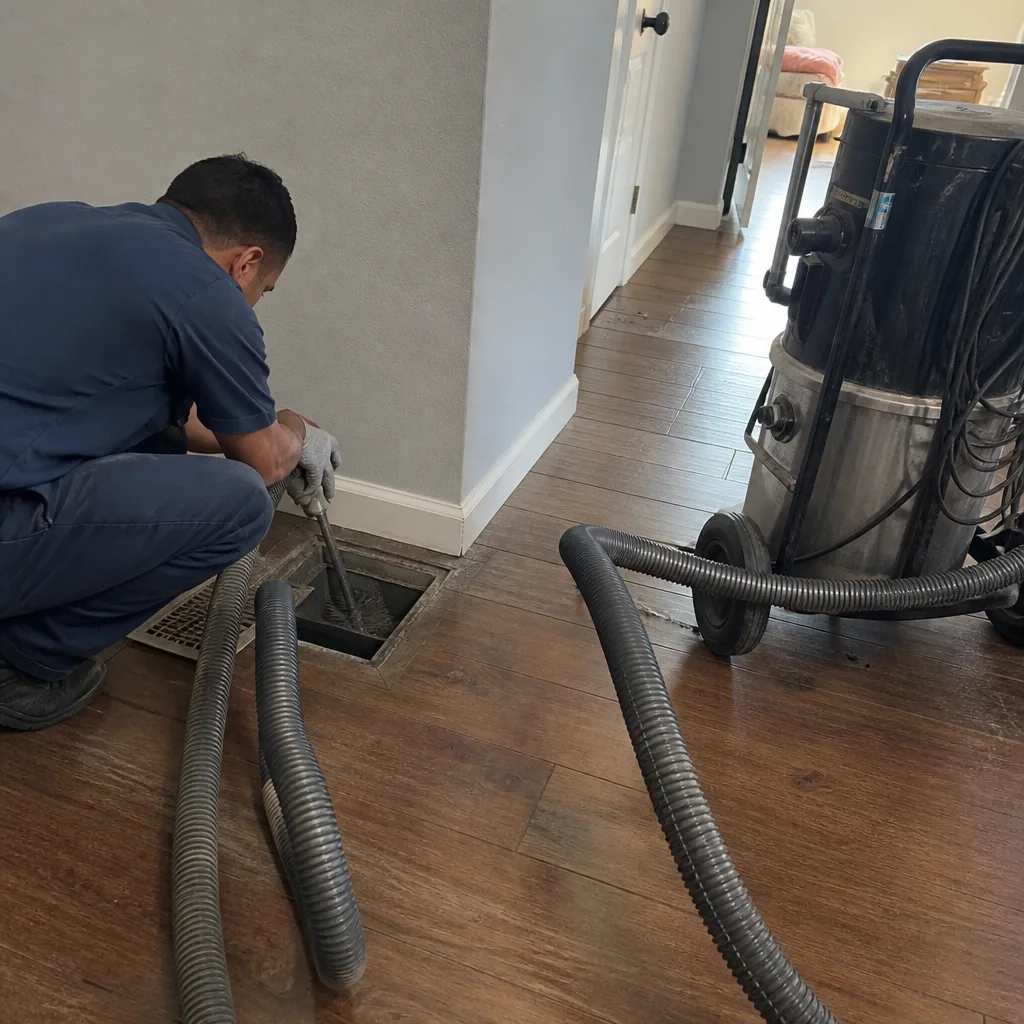
 Whole-home duct cleaning
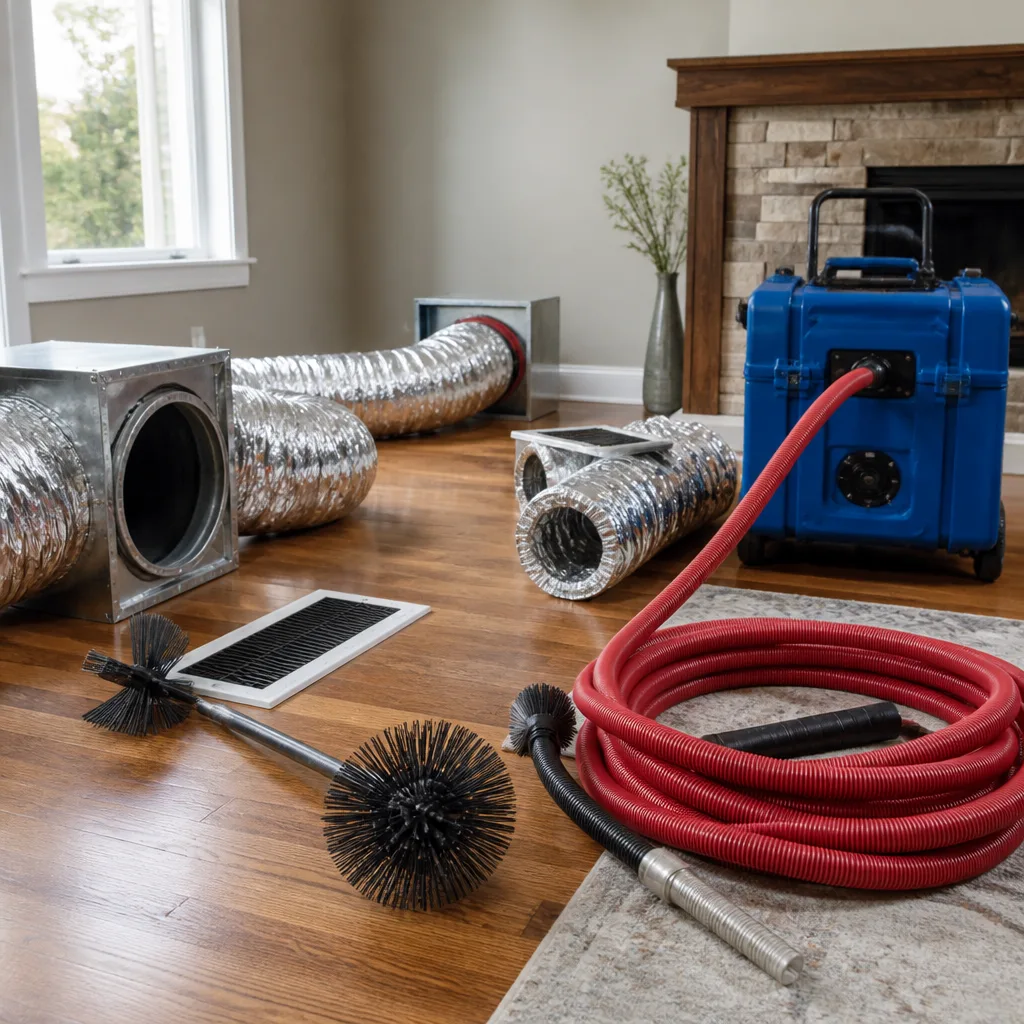
 Dryer vent cleaning
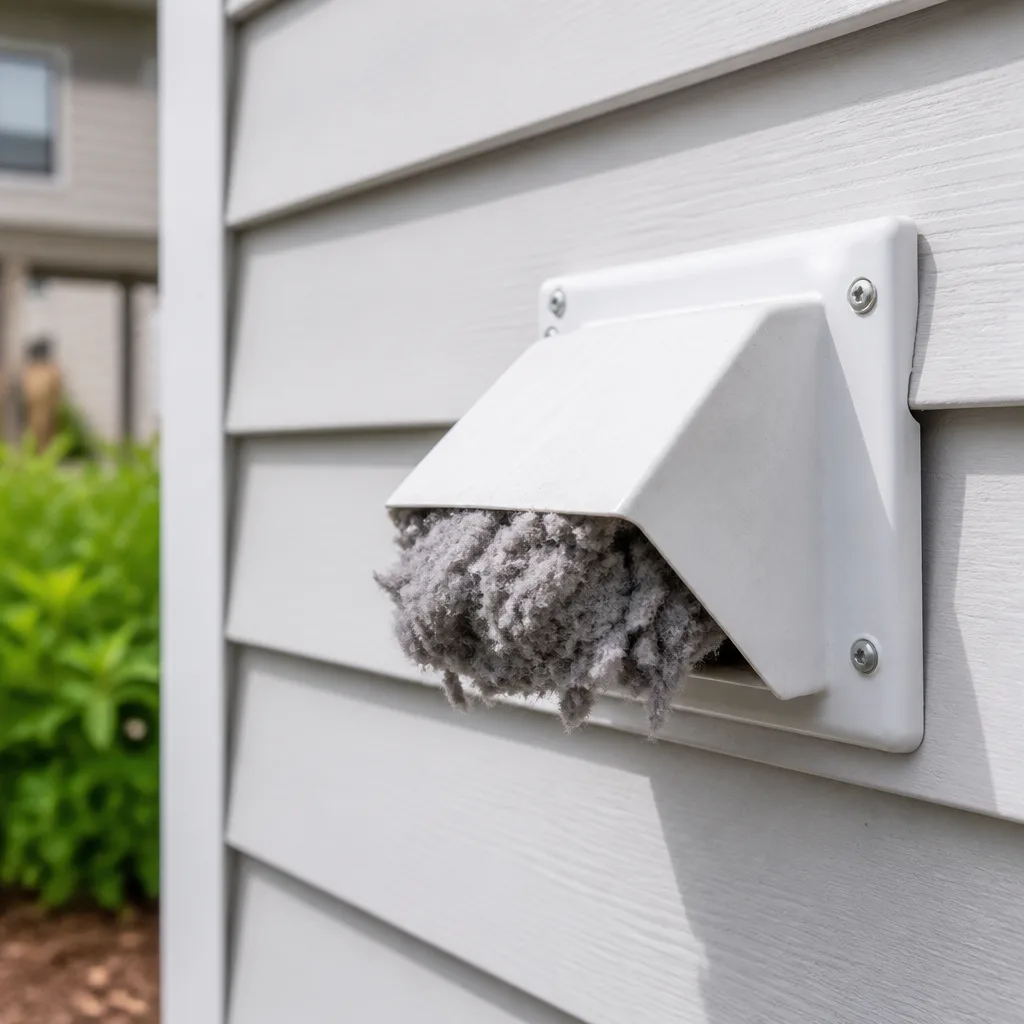
 Camera inspection
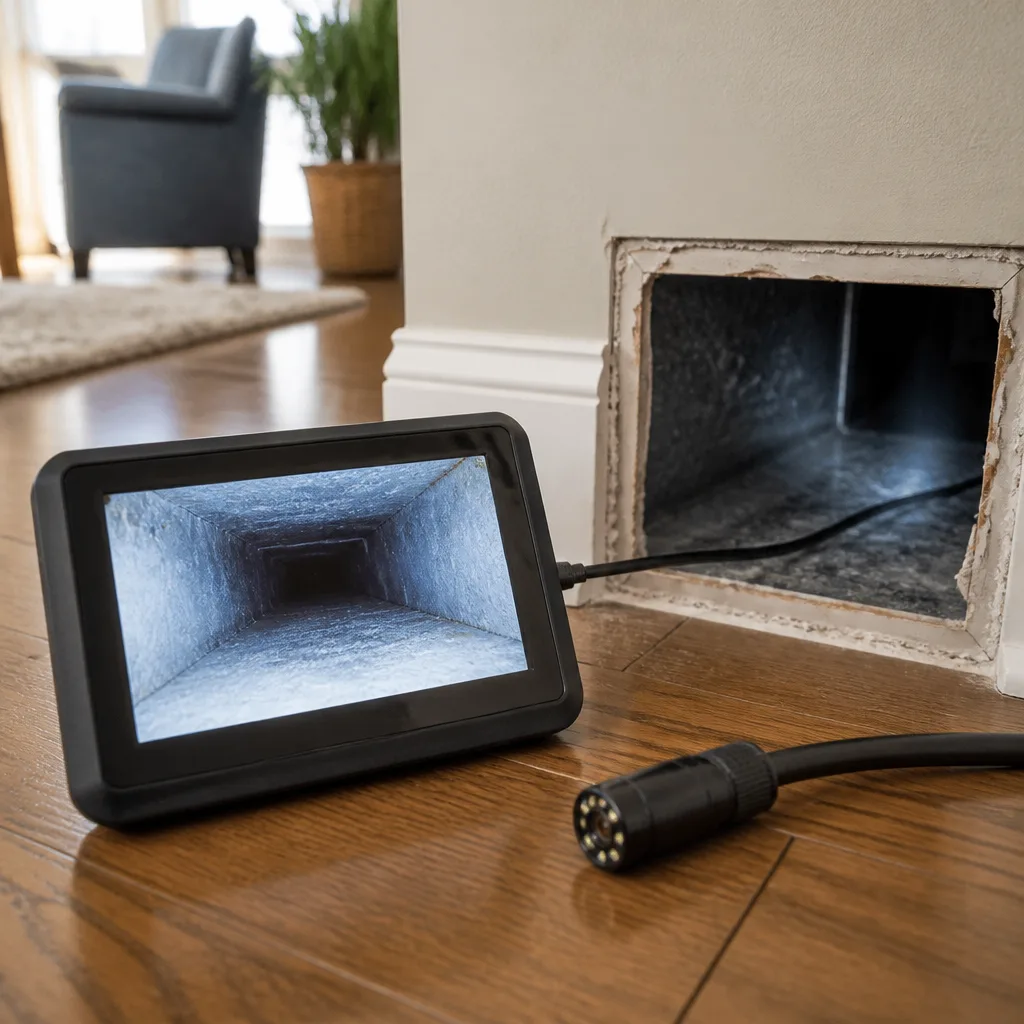
 Sanitizing & deodorizing
Whole-system duct and dryer vent check with before-and-after photos - you see exactly what came out of your vents
That "$99 whole-house special" is a bait ad - the real number appears once they are in your hallway, or the "clean" is a shop-vac at the register. We photograph the inside of your ducts before and after instead.
The Complete Air Duct Cleaning Guide for Brentwood Homeowners
Brentwood sits where the Delta breeze meets the Central Valley, which means your ducts collect a heavier, grittier dust load than homes in Walnut Creek or Pleasanton. By the time a homeowner notices dust on the register grilles after a week of cleaning, the return ducting is already holding a layer of silt that ordinary equipment cannot pull out. This guide – and The Complete Guide to Air Duct Cleaning in Brentwood – explains exactly what a proper duct cleaning job looks like in Brentwood, the equipment that actually works here, and how to spend your money on a result you can verify rather than a van that just shows up.
Quick Answer
Air duct cleaning in Brentwood costs between $450 and $1,200 for a full single-system home, takes 3 to 6 hours, and should always include before-and-after camera footage, static pressure readings, and documented access to every trunk line. Homes with agricultural dust exposure or older duct board should be cleaned every 3 to 5 years. The job is only as good as the equipment used: negative-air systems (Nikro) and contact-vacuum tools (Rotobrush) serve different duct materials, and Brentwood’s 2000s tract homes often need both on the same visit.
Styles & brands we work with
- Whole-home duct cleaning
- Dryer vent cleaning
- Camera inspection
- Sanitizing & deodorizing
Table of Contents
- What Duct Cleaning Actually Does (And Doesn’t Do)
- Why Brentwood’s Dust Is Different From the Bay Area
- The Equipment That Matters: Rotobrush vs. Nikro Explained
- A Room-by-Room Walkthrough of a Real Cleaning
- Duct Board vs. Sheet Metal: Why It Changes the Whole Job
- Red Flags That Mean the Cleaning Didn’t Happen
- How Often Brentwood Homes Really Need Duct Cleaning
- Common Mistakes to Avoid
- When to Call a Professional
- Frequently Asked Questions
What Duct Cleaning Actually Does (And Doesn’t Do)
Duct cleaning removes accumulated particulate from the interior surfaces of your supply and return ductwork: dust, pollen, pet dander, carpet fibers, construction debris, and in Brentwood, agricultural soil particulate that works its way in from outside. A proper job uses agitation to break debris free from duct walls, then negative pressure to pull it through a HEPA-filtered collection system so it exits the home rather than recirculating.
Here is what a professional Air Duct Cleaning in Brentwood job should include in our area:
- Full system inspection with camera documentation of trunk lines, branch runs, and return drops before any equipment is turned on
- Creation of proper access points where the duct configuration lacks them (common in 1990s and 2000s Brentwood homes)
- Agitation of all interior duct surfaces, not just the sections within arm’s reach of a register
- Negative-pressure containment during the entire agitation process
- Post-cleaning camera verification and static pressure readings
What duct cleaning does not do is permanently stop dust from returning. Brentwood’s location means outdoor particulate will re-enter the system through normal operation. The purpose of cleaning is to remove the accumulated load that regular HVAC filters cannot address, not to create a dust-free forever home. A technician who promises you will never see dust again is not being honest about physics.
In our experience, the biggest misconception among Brentwood homeowners is that duct cleaning is cosmetic. It is not. A return duct loaded with three pounds of silt restricts airflow, which makes your HVAC system work harder, which shortens equipment life and raises cooling costs through Brentwood summers.
Why Brentwood’s Dust Is Different From the Bay Area
Brentwood’s geography changes what is actually inside your ducts. We are at the eastern edge of the Delta wind corridor. Afternoon winds push air across farm land, dry channels, and open fields before it reaches your neighborhood. That air carries a heavier mineral load than the moisture-laden coastal air you get in San Francisco or Oakland.
The practical differences matter more than most guides admit:
- Coarser particulate. Brentwood dust contains more soil and silica than the fine urban carbon particulate of Bay Area suburbs. It settles in duct runs faster and bonds more readily to duct board surfaces.
- Higher static pressure load. A return duct that would take 8 years to become restrictive in Berkeley can become restrictive in 4 to 5 years here simply because of the volume of material moving through the system.
- Agricultural contaminants. Homes near active orchards or row crop land get a mix of pollen, harvest dust, and occasional pesticide drift residues that settle in duct interiors.
- Construction debris from the building boom. Brentwood added thousands of homes between 1995 and 2007. Many of those original duct systems were never cleaned after construction, and drywall dust and sawdust are still sitting in trunk lines two decades later.
This is why generic advice from national guides falls apart locally. A duct cleaning company that tells every customer to wait 5 to 7 years between cleanings does not know Brentwood’s specific conditions. The real answer depends on the age of the home, the direction it faces relative to prevailing winds, the presence of pets, and whether the system has ever been cleaned.
The Equipment That Matters: Rotobrush vs. Nikro Explained
Most homeowners do not realize that “duct cleaning” describes two fundamentally different mechanical approaches, and the choice between them determines whether the job actually works. This is where the difference between a specialist and a generalist becomes obvious.
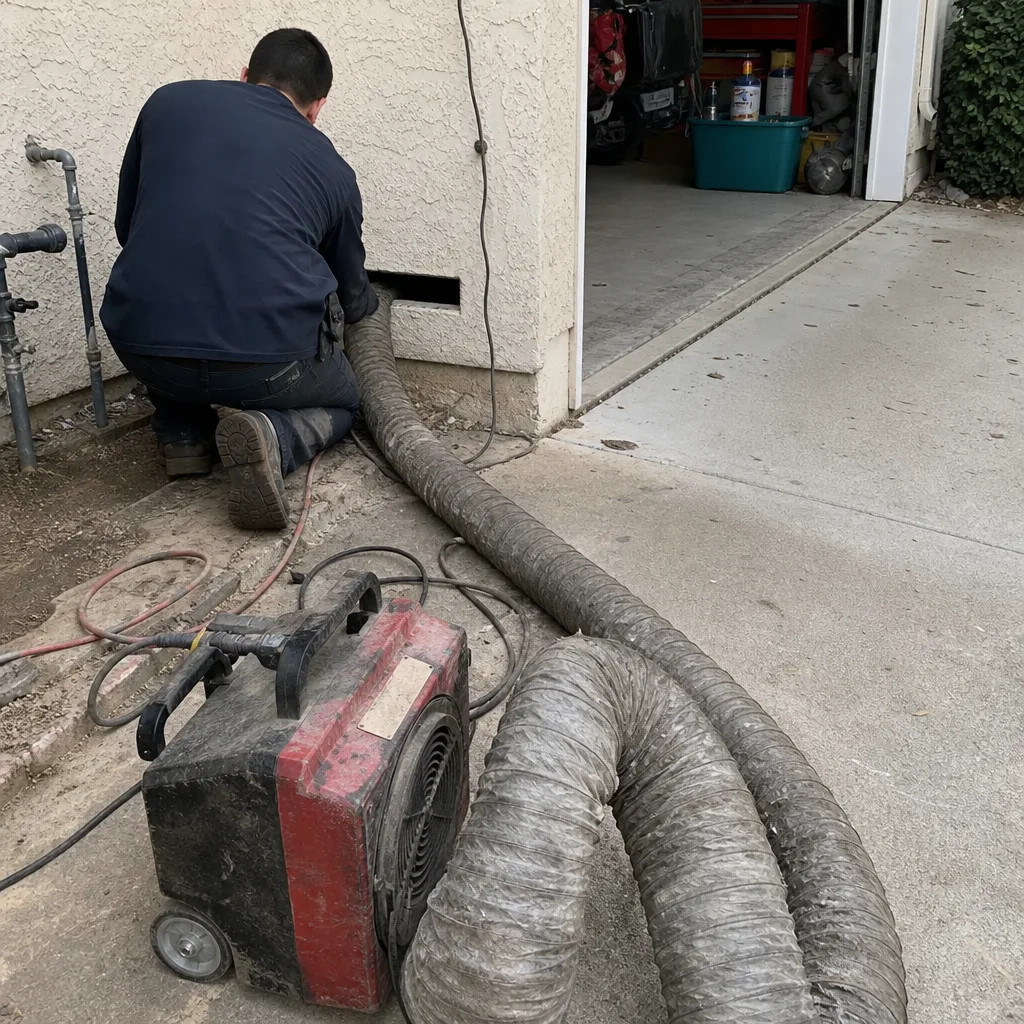
Negative-air cleaning (Nikro systems). This method places the entire duct system under vacuum using a powerful negative-pressure unit connected to the trunk line. Debris is pulled inward from all branch runs toward the collection point, where it passes through HEPA filtration before exhausted air leaves the home. Nikro systems excel at extracting fine particulate from long runs and are the industry standard for whole-system soil removal.
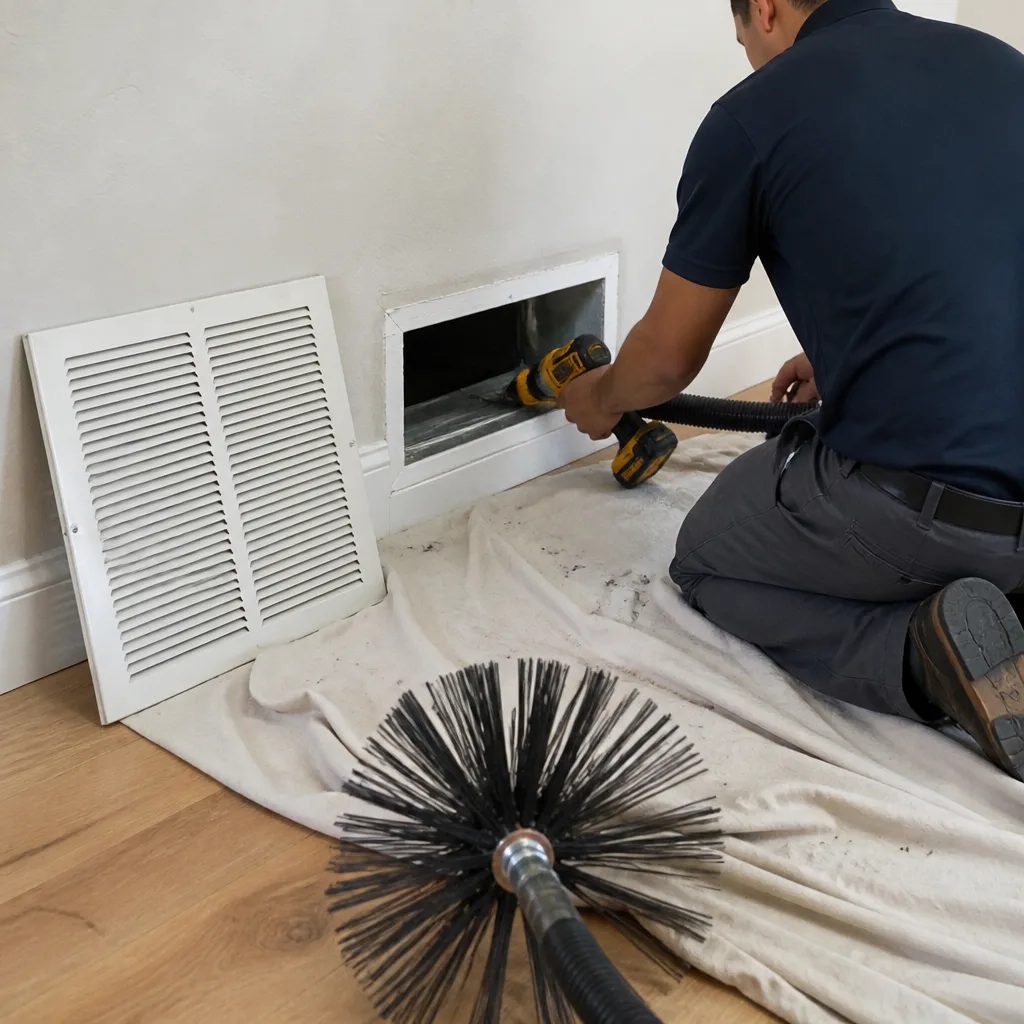
Contact-vacuum cleaning (Rotobrush systems). Rotobrush tools use a motorized rotating brush head that physically scrubs duct walls while a vacuum removes debris at the point of contact. The brush agitation breaks up bonded material, caked-on dust, and stubborn debris that negative pressure alone will not lift.
The truth for Brentwood homes is that most benefit from both methods on the same visit. Here is why:
- Homes built in the 2000s Brentwood boom often have long, straight trunk lines (great for negative air) fed by sheet metal branch runs with 90-degree boots (where caked silt accumulates and only contact brushing reaches)
- Duct board returns, common in mid-range tract construction, hold mineral dust aggressively and need brush agitation to break the bond
- Older Brentwood homes with original flex duct runs cannot tolerate aggressive brush pressure in some sections but need it at metal transitions
Rotobrush and Nikro are professional-grade systems. This is the equipment used by contaminant-control specialists, not the portable shop vac arrangement that shows up on a cut-rate coupon. When a technician arrives, ask what equipment is on the van. If the answer is vague, the job will be vague too.
A Room-by-Room Walkthrough of a Real Cleaning
A legitimate Duct Cleaning Brentwood home project follows a defined sequence. If the crew skips steps, the work was not done. Here is what the process should look like from the moment the technician arrives at a Brentwood home.
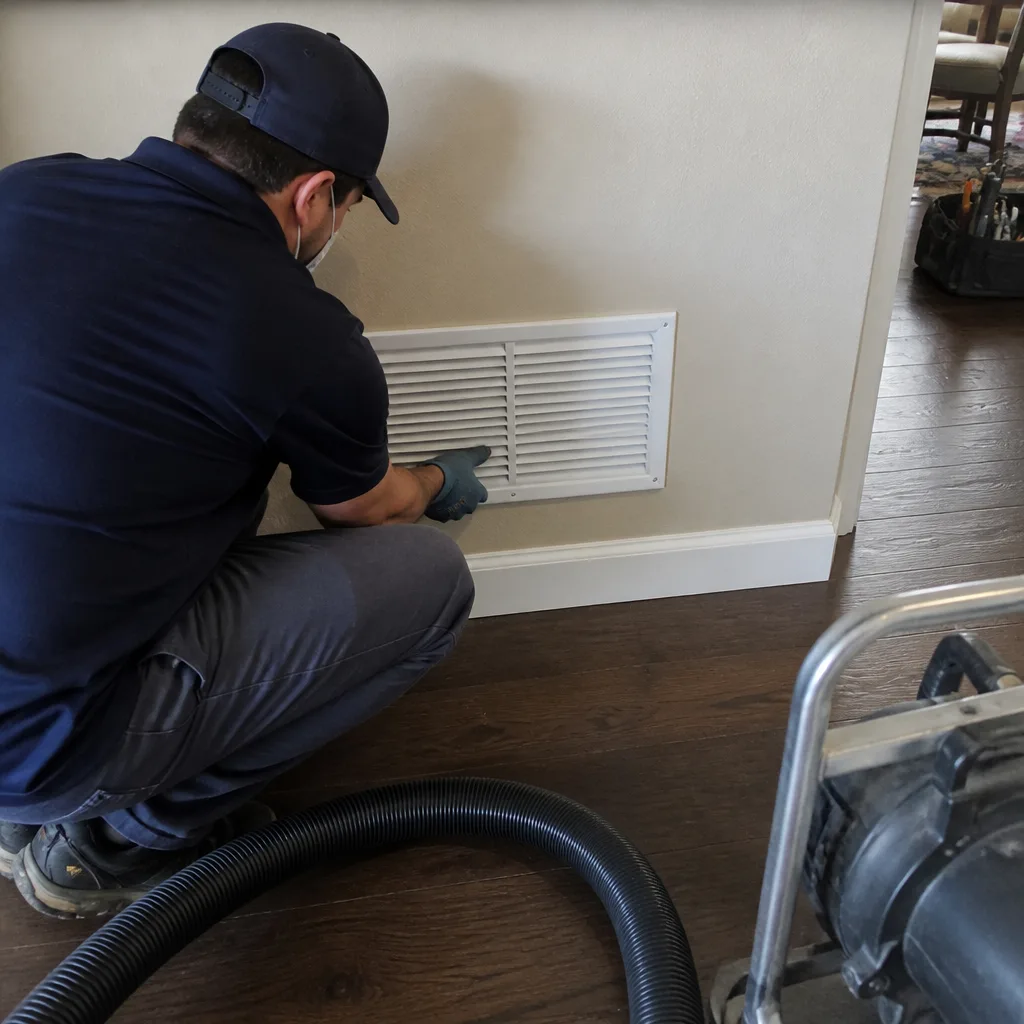
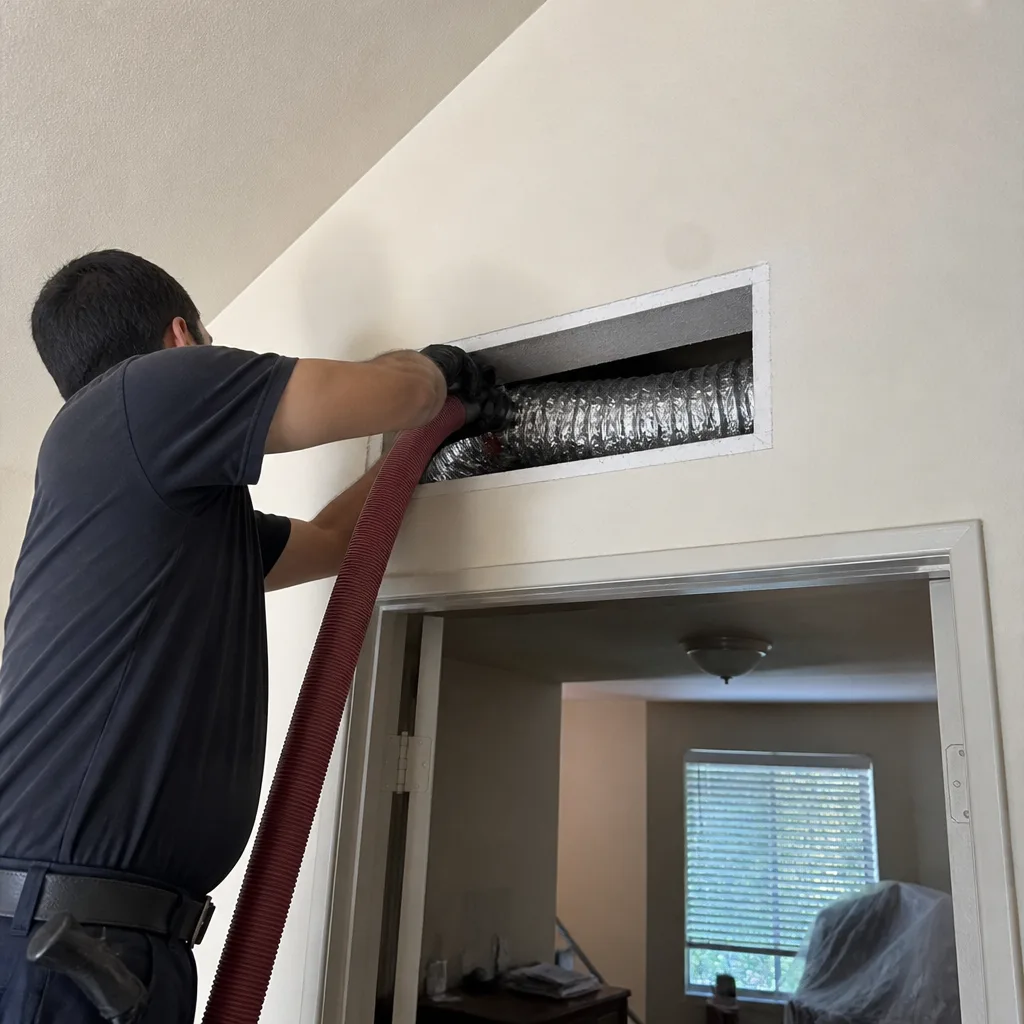
- System orientation and register mapping. The technician identifies every supply register, every return grille, the air handler or furnace location, and any accessible duct runs in the attic or crawl space. In Brentwood two-story homes, this includes verifying whether upper and lower systems are separate or zoned.
- Pre-cleaning camera footage. A camera probe is run through trunk lines and representative branch runs. The homeowner should see this footage. If no before footage exists, there is no way to prove the cleaning did anything.
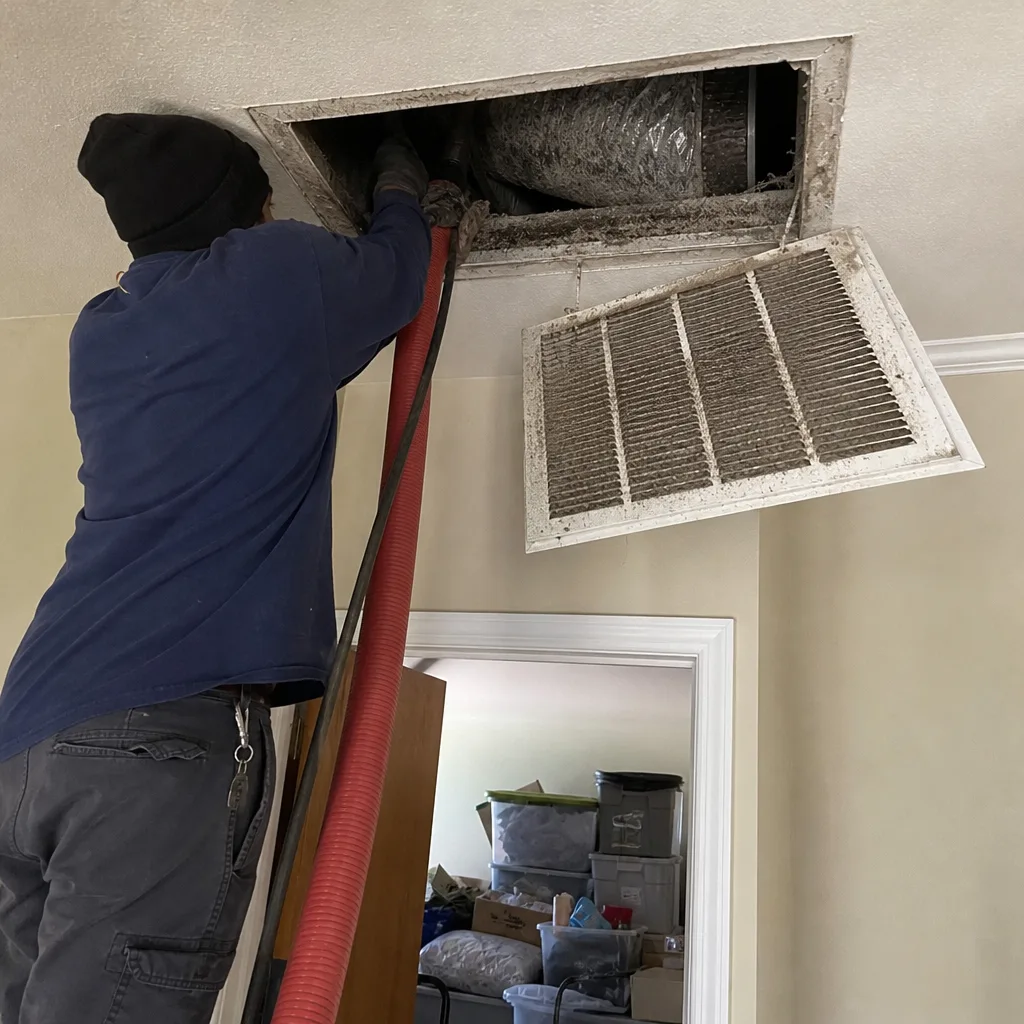
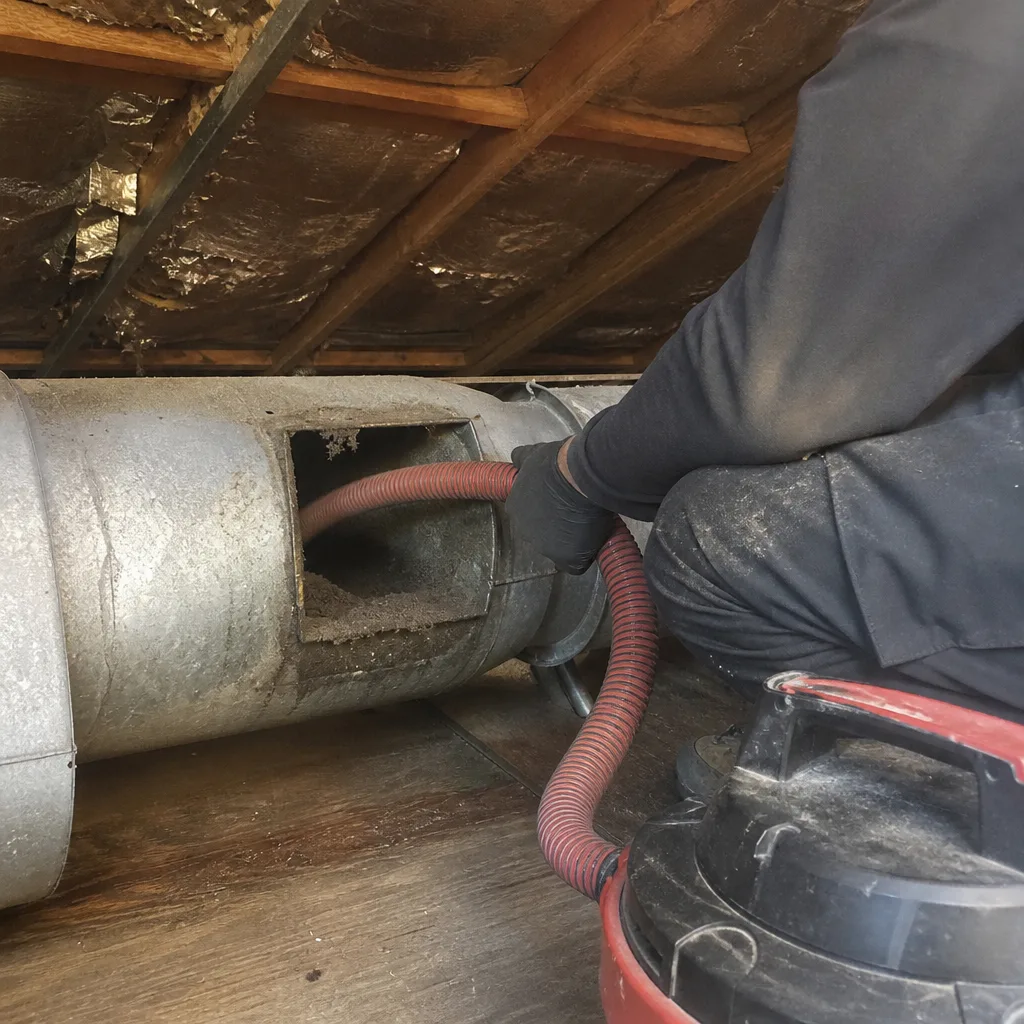
- Access point creation. Professional cleaning requires proper access holes cut into trunk lines, typically 8 to 10 inch circular openings. These are sealed with caps afterward. A crew that only works through registers is not cleaning the full system.
- Negative-pressure setup. The vacuum unit is connected at the plenum or a dedicated access point. This is the containment step that keeps debris from blowing into living space during agitation.
- Agitation phase. Tools are run through every run, including the sections far from registers. This is where the Rotobrush contact cleaning happens on caked surfaces.
- Return-side cleaning. Return ducts often hold more material than supply runs because they carry unfiltered air. In Brentwood, return ducts in homes near the agricultural edges can hold visibly more debris than supply lines.
- Plenum and blower housing inspection. If the air handler area has significant debris, it should be addressed. A specialist will document what they find rather than pretend it is not there.
- Post-cleaning camera verification. The same camera runs are repeated. The homeowner should see the same trunk line surface before and after. The difference should be obvious.
- Register reinstallation and filter check. All grilles go back in place. The technician should note the current filter condition and recommend a replacement schedule.
This full process takes a two-person crew between 3 and 6 hours for an average Brentwood single-family home. A 90-minute appointment is not a cleaning; it is a performance.
Duct Board vs. Sheet Metal: Why It Changes the Whole Job
Brentwood’s housing stock spans several decades, which means your home’s duct material depends on when it was built. That material determines the correct cleaning method, and using the wrong approach can damage the system.
Duct board (common in 1980s through early 2000s tract construction). Duct board is fiberglass insulation board formed into rectangular duct sections. Its interior surface is slightly fibrous, which means dust and mineral particulate bond more aggressively to the walls. Duct board requires careful brush pressure, because aggressive contact cleaning can tear the interior liner. Negative-air extraction alone often leaves behind bonded silt, which is why a Nikro system alone is insufficient for many Brentwood duct board systems. HEPA vacuuming with controlled agitation is the correct approach.
Sheet metal (common in 1970s and earlier homes, plus custom builds). Sheet metal ducts have smooth interior surfaces. Debris settles here but does not bond the way it does on fiberglass. Negative-air cleaning can extract most loose material, but metal ducts are also where contact brushing is safest and most effective, since the surface can handle aggressive agitation without damage. Rotobrush tools work well on sheet metal runs, especially at boots and elbows where sediment accumulates.
Flex duct (used for branch runs in most Brentwood homes regardless of era). Flex duct has a thin plastic liner that is easily torn by aggressive brush heads. A technician who uses the same tool on flex runs that they used on metal trunk lines does not know what they are doing. Flex runs should be cleaned with lower-contact agitation and rely more heavily on negative pressure.
A proper Brentwood cleaning assesses the material in each section and adjusts the method accordingly. This is one reason “one flat price per system” should be paired with a real inspection: the quote should reflect the actual work, not a guess.
Red Flags That Mean the Cleaning Didn’t Happen
The duct cleaning industry has a reputation problem, and it is earned. Cut-rate operations run the same playbook across Sacramento and Contra Costa counties: a low coupon price, a quick visit, a vague report, and a final invoice that bears no relation to any verifiable work. Brentwood homeowners can spot the pattern if they know what to look for.
- No camera footage at all. If the crew ran no camera before and no camera after, they cannot prove anything changed. A push of a button on a smartphone records the interior of your ducts. There is no excuse for skipping this.
- No access points cut. Trunk lines in a Brentwood home cannot be properly cleaned through register openings alone. If the crew never brings tools to cut access holes, they did a superficial pass.
- No static pressure discussion. A restricted duct system shows elevated static pressure. A competent technician measures this. A crew that never mentions the number is either not measuring or not telling you something.
- Quoting per-vent prices. Real duct cleaning is priced by the system, not per vent. Per-vent pricing is the classic upsell hook: quote $49 for 10 vents, then “discover” that the home actually has 24.
- No time on site. Proper cleaning cannot be done in under 2 hours on a moderate home. If the van pulled up and left before the coffee finished, the job was not done.
- Generic “cleaned” language with no specifics. A real report names the duct material, the access points used, the static pressure before and after, and the total debris removed. “Cleaned!” is not documentation.
These red flags are why our company documents every job the way we would want our own home documented: real footage, real pressure numbers, real access points, and a clear explanation of what was done and why. We repair what we find, not just clean around it, and that extends to air duct repair when the inspection reveals disconnected runs, crushed flex sections, or failed seals.
How Often Brentwood Homes Really Need Duct Cleaning
The national recommendation of every 3 to 5 years is a starting point, not a local answer. Brentwood conditions push some homes to the shorter end of that range and allow others to stretch toward the longer end.
These factors shorten the interval:
- Home built before 2008 and never cleaned since construction (a single cleaning brings several pounds of construction debris out of the system)
- Location on the west or southwest side of Brentwood where Delta winds hit first
- Pets that shed heavily indoors
- Duct board returns, which hold debris more aggressively than sheet metal
- Recent renovation that produced drywall dust or sawdust (renovation dust settles in ducts and stays there)
- A family member with dust allergies or asthma that worsens at home
These factors allow a longer interval:
- Newer construction with documented post-construction cleaning
- Sheet metal supply and return throughout
- High-MERV filtration changed regularly
- Hard-surface flooring throughout (less fiber load in the air)
- No pets and no smokers in the house
A realistic Brentwood schedule is every 3 to 5 years for homes with risk factors, and 5 to 7 years for homes without. Homes that have never been cleaned and are over 15 years old should be cleaned now regardless of other factors.
Common Mistakes to Avoid
- Hiring on price alone. The cheapest quote in Brentwood is cheap because the crew spends 45 minutes doing what a real cleaning takes 4 hours to do. You are paying for a van to park in your driveway, not a service.
- Believing your ducts are clean because the house was new. Brentwood’s building boom produced homes with construction debris left in ducts for decades. New does not mean clean.
- Cleaning without camera evidence. Without before-and-after footage, you have no way to know the inside of the trunk line changed at all. An estimate should mention verification, not just equipment.
- Using filters as a substitute for cleaning. Filters capture airborne material entering the equipment, but they do nothing for the accumulated load already bonded to duct surfaces. Filter changes slow the buildup; they do not remove it.
- Assuming all duct cleaning methods are equal. Negative-air and contact-vacuum approaches serve different duct materials. A crew that only runs negative air on a caked duct board system has not done the full job.
- Delaying dryer vent cleaning because the ducts were done. Dryer vent systems collect lint at a much faster rate than HVAC ducts and represent a direct fire risk. Dryer Vent Cleaning in Brentwood is a separate service on a separate schedule, and built-up lint is a leading cause of dryer fires.
When to Call a Professional
You should schedule a professional assessment if you can see dust accumulating on register grilles within days of wiping them, if you find visible debris inside a register when you remove the cover, if rooms heat or cool unevenly without a dampening explanation, or if anyone in the home has respiratory symptoms that improve when away from the house. These are not conditions to live with. A professional inspection costs nothing at the right company, and it gives you a baseline. Our Air Duct Cleaning services include free estimates in Brentwood. Call (833) 631-4988 to schedule one.
Frequently Asked Questions
A full single-system cleaning in Brentwood typically runs between $450 and $1,200 depending on home size, duct material, number of systems, and the level of contamination. One flat price per system agreed before work starts is the only honest pricing model, and estimates are free. Call (833) 631-4988 for an exact quote on your home.
Cheaper quotes come from operations that skip the time-consuming steps: no access points, no camera verification, no static pressure readings, abbreviated agitation. You get a van, a vacuum, and a story. A legitimate cleaning takes hours and requires professional equipment, and that has a floor price.
You should receive before-and-after camera footage showing the same duct surfaces, static pressure readings from before and after the cleaning, and a documented list of access points cut and sealed. No footage means no proof. A reputable Brentwood duct cleaning company shows you the interior of your ducts because they want you to see the difference.
Every 3 to 5 years for homes with pets, older duct board, agricultural dust exposure, or respiratory concerns. Homes without those factors can go 5 to 7 years. Homes built during the 1995 to 2007 Brentwood construction boom and never cleaned should schedule an initial cleaning immediately.
For Brentwood homeowners with dust and pollen allergies, removing accumulated particulate from the supply system reduces the load recirculating through living space. It is not a cure, but it addresses a real contributor. Pairing cleaning with better filtration, including Honeywell or Aprilaire media filters, delivers the strongest result.
Yes, but it takes longer and the access points matter more. Two-story homes often have long vertical runs and hard-to-reach trunk sections. Proper negative-air setup at the plenum combined with contact agitation in the branch runs handles the full system, and the technician should document every zone. Call (833) 631-4988 to discuss your specific layout.
The Bottom Line
Air duct cleaning is a verifiable mechanical service, not a vague home-care ritual. The right job removes real material with professional equipment, documents the process with footage and readings, and leaves your system measurably cleaner. The wrong job is a parking fee. Brentwood’s specific conditions move the calculation, our valley dust loads more heavily than the coastal suburbs, our older tract homes were built without post-construction cleaning, and our duct materials demand method selection rather than one-size-fits-all equipment. Professional-grade tools, real documentation, and a clear explanation of what was done: that is what a duct cleaning should be.
Written by the team at Duct Cleaning Brentwood, serving Brentwood since 2018. Professional-grade Rotobrush and Nikro systems. For more guides & resources, visit our blog. Free estimates: (833) 631-4988.
See the difference
 Before
 After
 Before
 After
 Before
 After