
Last updated November 2, 2026
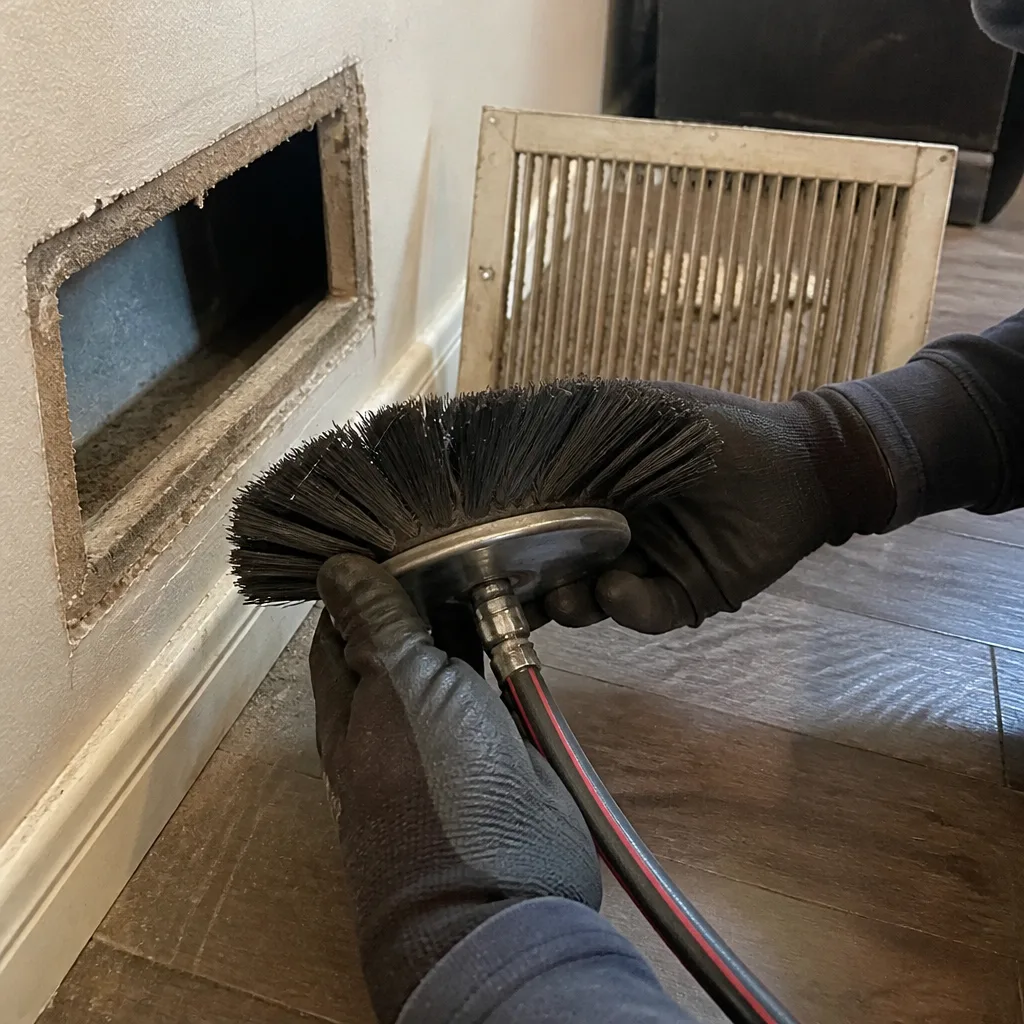
 Whole-home duct cleaning
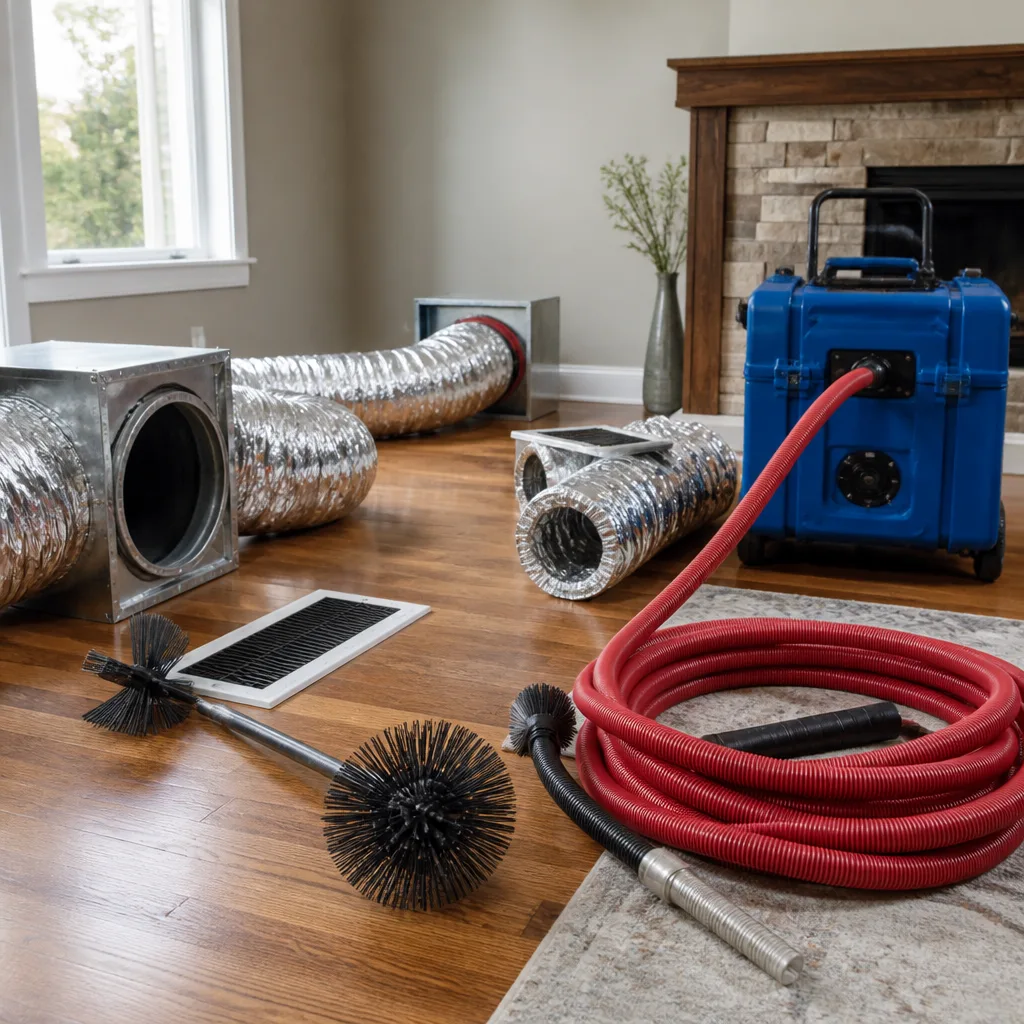
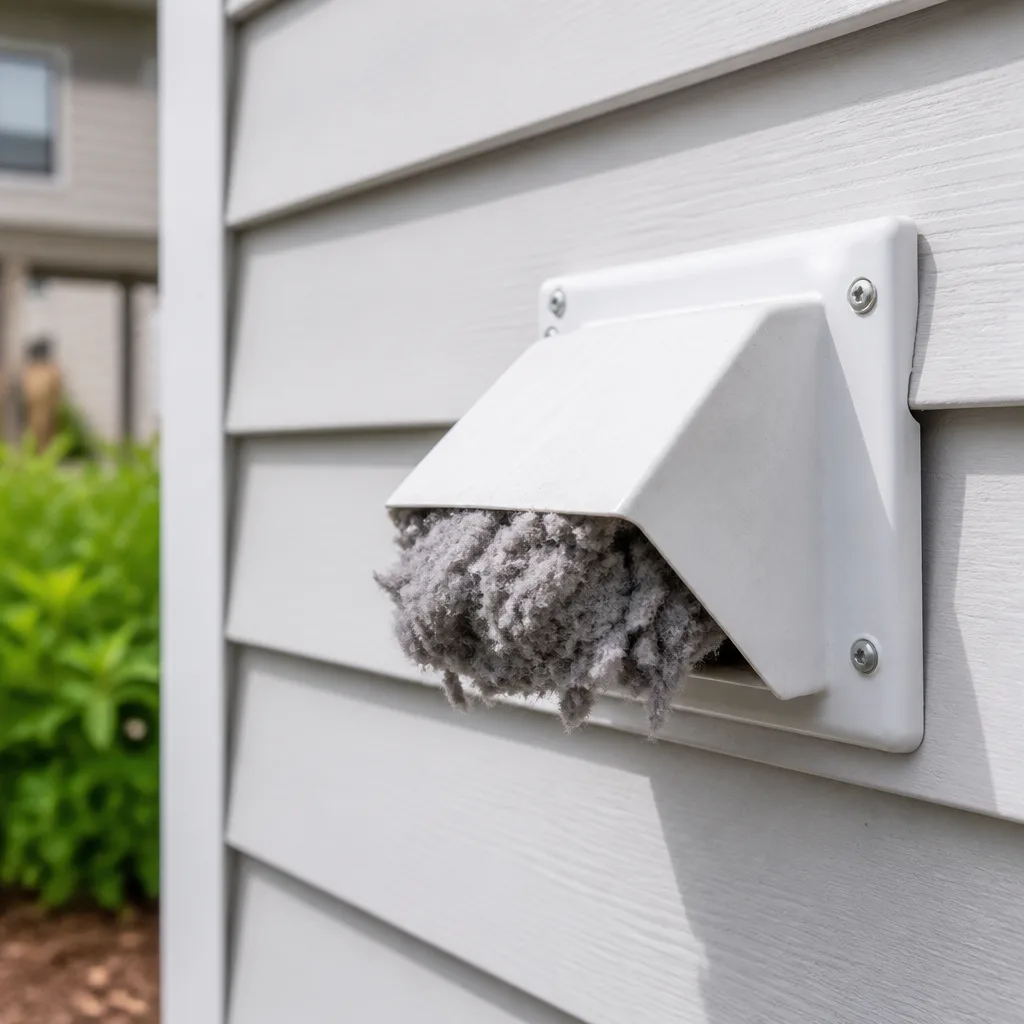 Dryer vent cleaning
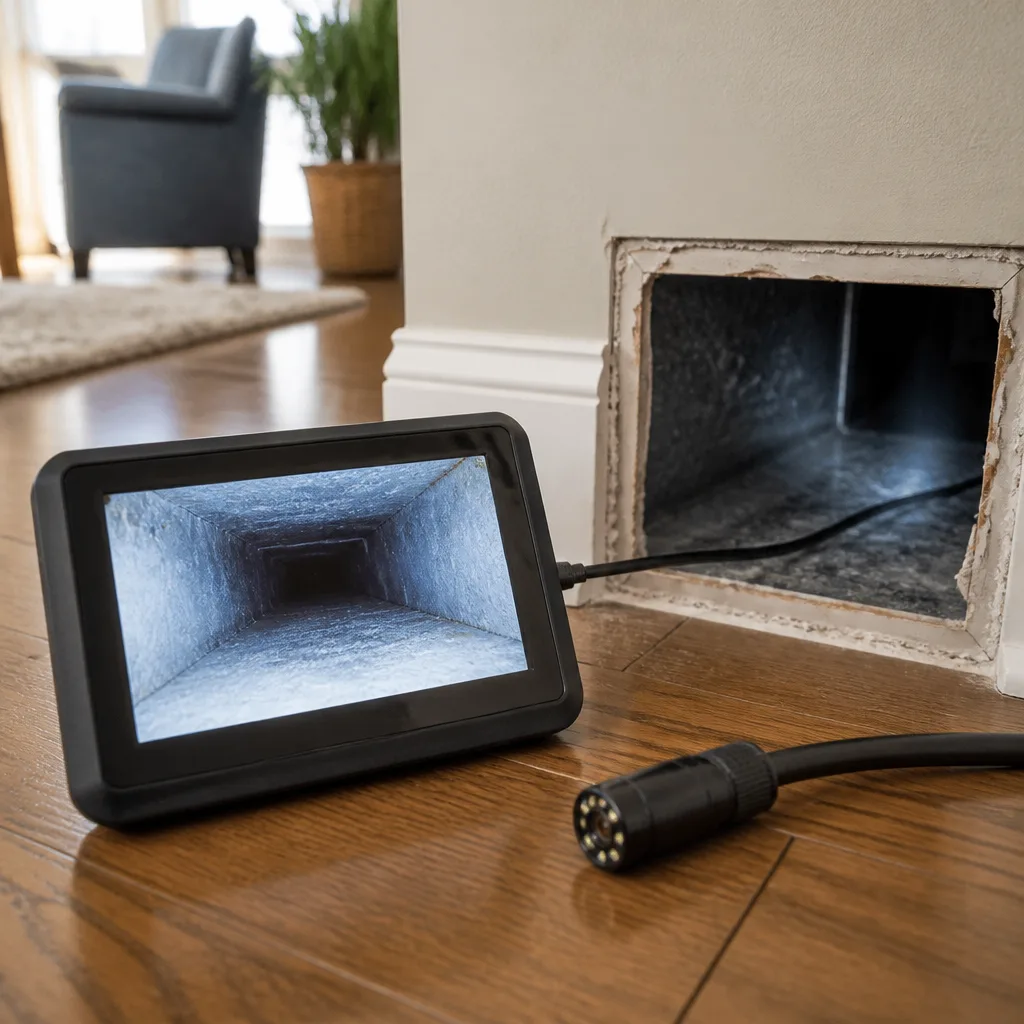 Camera inspection
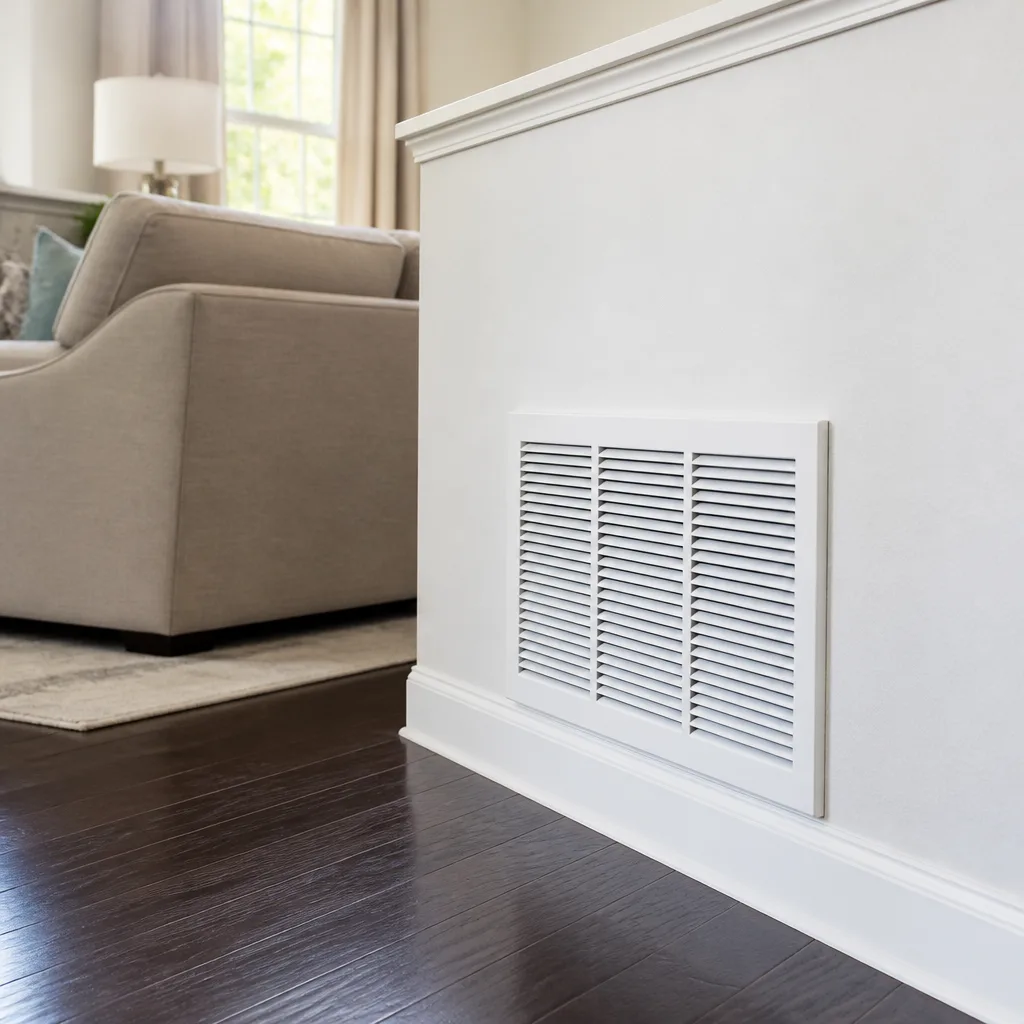 Sanitizing & deodorizing
Whole-system duct and dryer vent check with before-and-after photos - you see exactly what came out of your vents
That "$99 whole-house special" is a bait ad - the real number appears once they are in your hallway, or the "clean" is a shop-vac at the register. We photograph the inside of your ducts before and after instead.
Seasonal Air Duct Cleaning Care for Brentwood: Year-Round Homeowner’s Guide
In Brentwood, the Delta wind events in late spring can drive fine particulate through a home’s envelope and into return air pathways faster than a single HVAC filter can capture – a pattern that doesn’t exist for most Bay Area homes but is routine here. Most homeowners treat duct cleaning as a single annual chore, but Brentwood’s four seasons create four distinct duct stress events that each leave different debris signatures. This guide walks through what each season deposits into your duct system, when to inspect, and how to sequence professional cleaning so it actually matches how your home behaves throughout the year. You’ll learn the specific seasonal triggers in East Contra Costa County and the inspection protocol that catches problems before they circulate through every room.
Styles & brands we work with
- Whole-home duct cleaning
- Dryer vent cleaning
- Camera inspection
- Sanitizing & deodorizing
Quick Answer
Seasonal air duct cleaning care for Brentwood means scheduling inspection and cleaning around four distinct events: post-bloom spring wind season, peak summer HVAC load, fall harvest dust, and winter smoke intrusion from Northern California wildfires. Most Brentwood homes benefit from one thorough professional cleaning annually, timed for late spring or early fall depending on which seasonal stressor hits hardest – plus a visual inspection after any heavy Delta wind event or sustained smoke period. Filter checks, however, should happen quarterly, because Brentwood’s seasonal particulate loads clog filters far faster than manufacturer-recommended change intervals suggest.
Table of Contents
- Spring: Delta Wind Particulate and the Post-Bloom Inspection Protocol
- Summer: Peak HVAC Load and Debris Compaction in Supply Ducts
- Fall: Agricultural Harvest Dust and the October Inspection Window
- Winter: Wildfire Smoke Intrusion and AQI-Driven Duct Assessment
- How to Sequence Professional Cleaning Around Brentwood’s Seasons
- Filter Strategy for Brentwood’s Seasonal Particulate Loads
- Common Mistakes to Avoid
- When to Call a Professional
- Frequently Asked Questions
- The Bottom Line
Spring: Delta Wind Particulate and the Post-Bloom Inspection Protocol
Spring in Brentwood isn’t a gentle thaw. It’s wind season. From late March through early June, the Sacramento-San Joaquin Delta generates sustained wind events that push fine soil particulate, orchard bloom pollen, and construction dust across the valley floor. Homes in the eastern and southern portions of Brentwood, closer to open agricultural land and the Vasco Road corridor, see the heaviest particulate load. Homes in established neighborhoods with mature tree cover get somewhat less, but no Brentwood home escapes it entirely.
What makes spring particulate unique is its size profile. Delta wind carries particles fine enough to slip past a standard MERV 8 filter. Once those particles enter the return air stream, they settle in duct interiors, especially along the bottom of horizontal runs and in return boots where airflow slows. Orchard pollen, in particular, is sticky. It adheres to the film of dust already inside ducts and creates a rough surface that captures even more particulate as the season progresses.
Here’s the post-bloom inspection protocol we follow for Brentwood homes:
- Check the return air filter first. If it’s discolored or clogged before the manufacturer’s interval, that’s your early signal that fine particulate bypassed filtration and moved into the duct system.
- Remove a single return register and look inside with a flashlight. Soil-colored dust on the duct walls means Delta wind particulate settled there. You’re not just seeing normal household dust.
- Inspect supply registers in rooms farthest from the air handler. Spring wind debris travels the full duct run, and the far end of the system is where airflow pressure drops and particulate drops out of suspension.
- If you see visible accumulation on any duct surface, schedule cleaning before summer forces the system into sustained heavy operation. Debris that sits through a full cooling season becomes compacted and harder to remove.
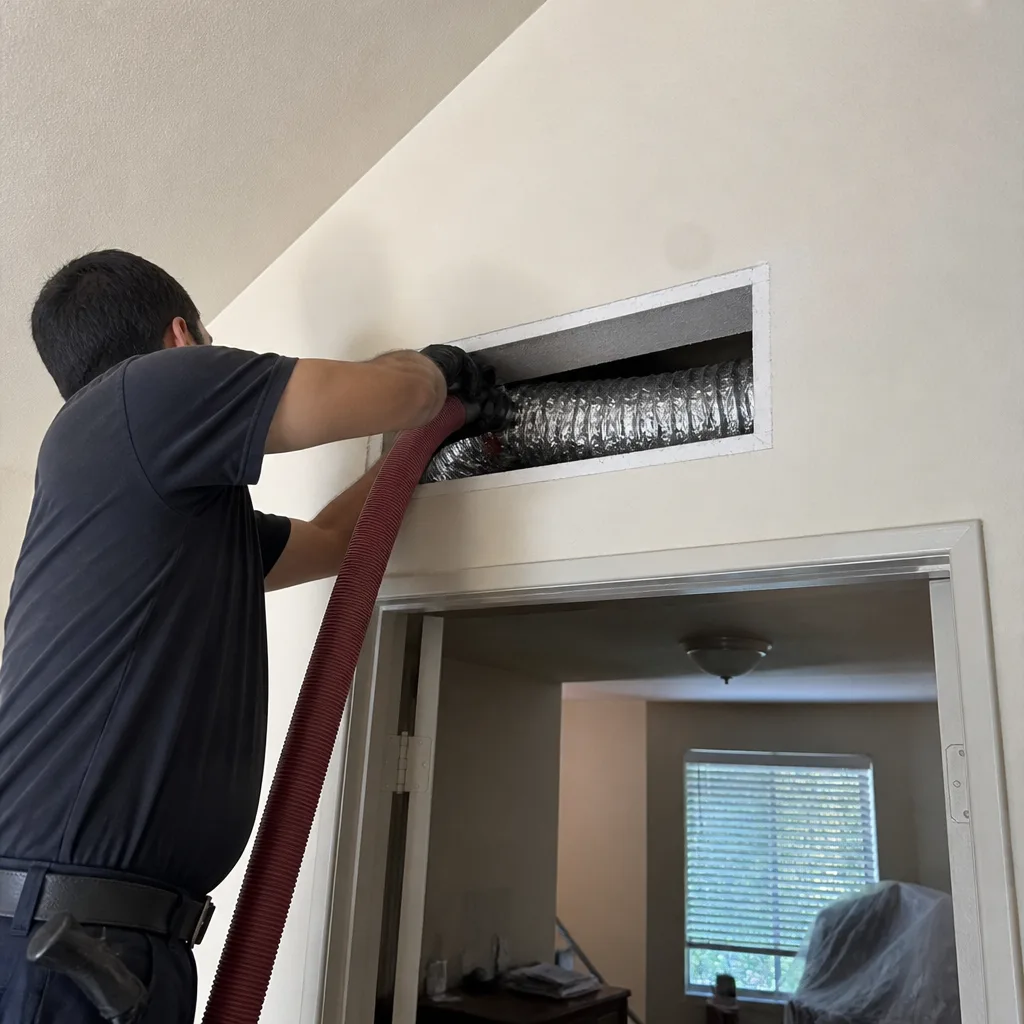
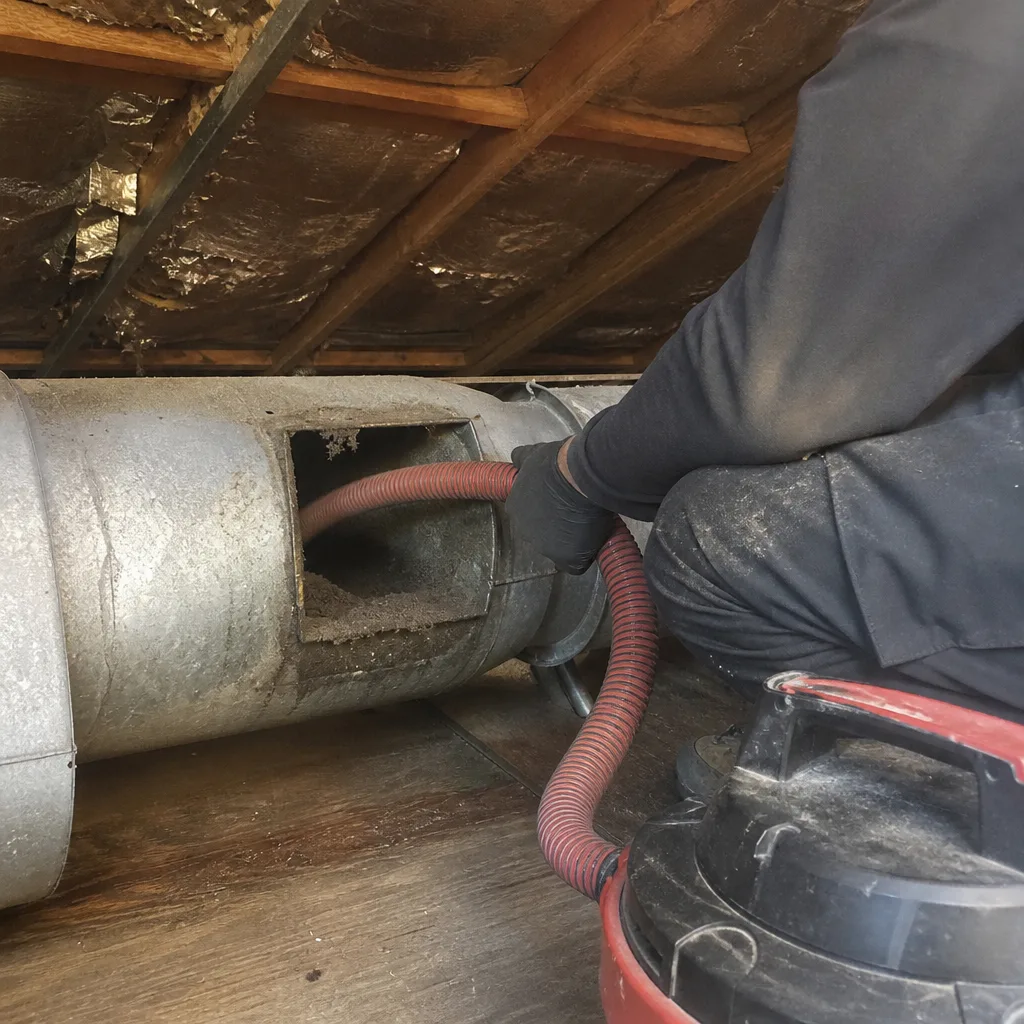
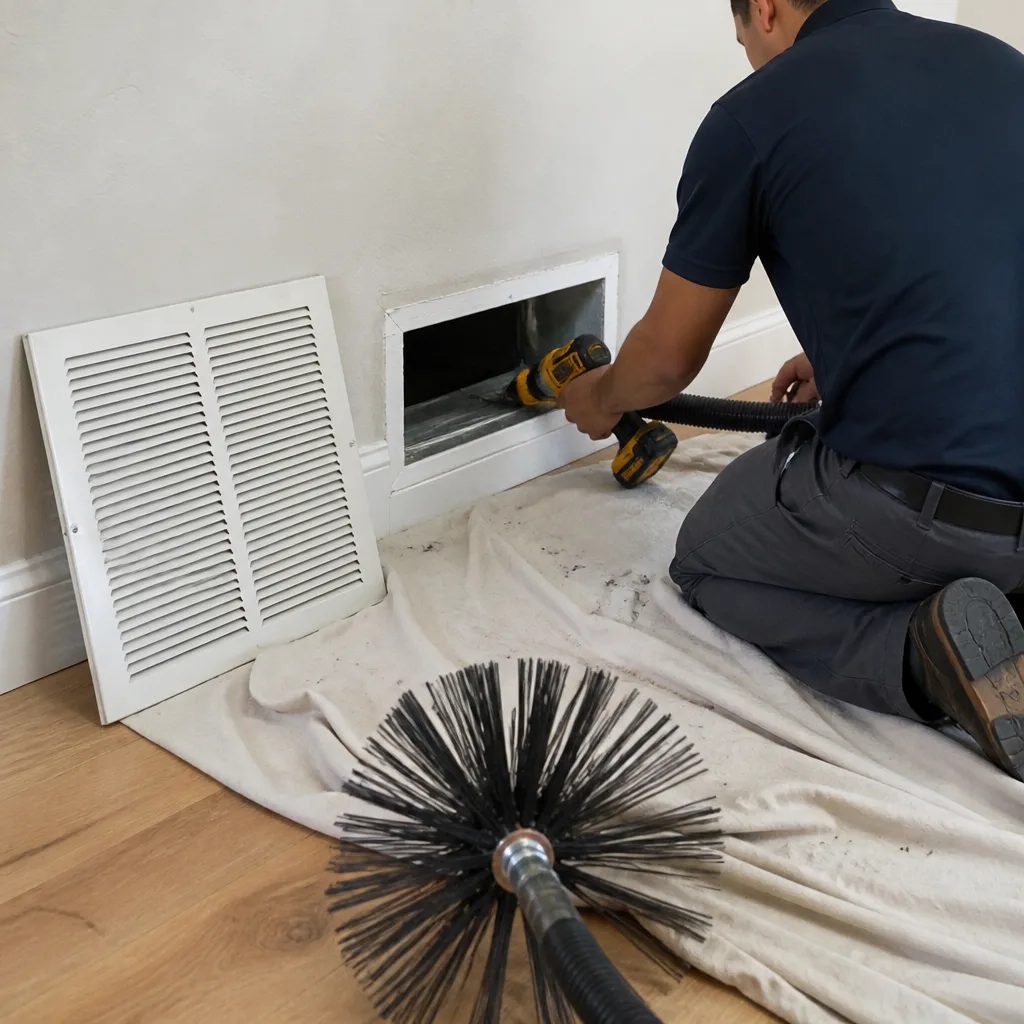
This is where professional-grade equipment matters. A Rotobrush system with HEPA filtration pulls the fine particulate to the collector instead of just agitating it, and Nikro’s negative air technology keeps the loosened debris from circulating into living space during the cleaning itself. Consumer vacuums simply don’t have the static pressure to pull dust from a 30-foot duct run.
Summer: Peak HVAC Load and Debris Compaction in Supply Ducts
Brentwood summers routinely cross 100°F for weeks at a stretch. Your air conditioner runs for hours daily, moving thousands of cubic feet of air per minute through supply ducts that may be carrying residual spring dust. That sustained airflow doesn’t just move debris. It compacts it.
Here’s what happens. During spring, dust settles loosely along the bottom of duct runs. When summer hits and the HVAC system runs at peak duty cycle, that loose debris gets pressed into the duct wall joints, boots, and any place airflow turbulates – usually at elbows, transitions, and damper points. Loose dust becomes caked residue. Caked residue narrows the effective duct diameter, which increases static pressure, which forces your blower to work harder, which shortens equipment life and raises utility bills steadily through the hottest months.
We see this pattern most clearly in two-story Brentwood homes, where the upstairs supply runs are longer and carry hotter attic air through more bends. Homes near Summerset and the newer developments south of Balfour Road tend to have longer duct runs compared to older central Brentwood homes, and the summer compaction issue shows up faster there.
The summer question isn’t whether to clean. It’s whether you cleaned before summer started. If spring cleaning didn’t happen, debris that sat through June, July, and August will be significantly harder to remove by September. The rotor bristles and vacuum pressure on professional equipment can still break it loose, but the cleaning process takes longer and may require more aggressive agitation than a routine cleaning would. That’s why post-bloom timing matters so much in Brentwood: cleaning after the particulate load but before peak cooling demand is the most efficient sequencing for this climate.
Summer is also when we do a lot of air duct repair, because the sustained thermal cycling of attic ducts through triple-digit days and cooler nights causes joints to separate and flexible duct sections to sag. Sagging flex duct creates low spots where debris pools, and separated joints pull attic air directly into the supply stream. An inspection during summer can catch these before they turn into allergens and temperature differentials you feel in individual rooms.
Fall: Agricultural Harvest Dust and the October Inspection Window
Brentwood is an agricultural town. Almonds, cherries, walnuts, and row crops surround the city on three sides, and fall brings harvest activity that generates dust unlike anything else on the calendar. Harvesters, nut sweepers, and orchard traffic kick up fine soil dust in concentrations that rival the Delta wind events of spring, but with a different composition: this dust is heavier, more organic, and tends to carry soil-borne particulate that sticks to moist duct surfaces.
Homes within 5 miles of active fields – which includes substantial portions of Brentwood east of Highway 4 and essentially everything south of Balfour Road – should treat October as a mandatory inspection month. The dust doesn’t just enter through open doors and windows. It gets pulled into the return air stream through the HVAC system’s natural negative pressure zones, especially if the home has a fresh air intake or the return plenum is in the garage or attic.
Here’s the fall checklist we recommend:
- Inspect after harvest activity peaks in your immediate area. If you can smell harvest dust in the air, it’s in your home. Check filters and registers that same week.
- Look for tan or brown dust (soil) on filter media. Household dust is usually gray. Tan means agricultural particulate.
- Check the outdoor compressor coil. Harvest dust coats outdoor units too, reducing efficiency right as heating season begins. If the coil is dirty, the indoor system has been working harder and moving more unfiltered air.
- Run the fan-only mode for 15 minutes and check a supply register. If dust appears at the register when the fan circulates air, it’s being distributed from within the duct system, not entering fresh.
The October inspection window matters because fall dust that stays in ducts through winter becomes a different problem: seed material for moisture-related microbial growth when winter brings higher indoor humidity. Duct interiors stay drier during Brentwood’s summer, but once fall rain begins and indoor humidity rises, organic dust can become a growth medium. Removing it in October prevents a January problem.
Winter: Wildfire Smoke Intrusion and AQI-Driven Duct Assessment
Brentwood sits at the receiving end of California’s wildfire season. When fires burn in Napa, Sonoma, the Sierra foothills, or Butte County, the prevailing wind patterns push smoke down through the Delta and into East Contra Costa. Winter is when this hits hardest, because atmospheric inversions trap the smoke in the valley for days at a time.
The AQI number on your weather app tells you what’s outside. It doesn’t tell you what penetrated your home and ended up in your ducts. Smoke particulate is extraordinarily fine – much finer than what air filters are designed to catch at normal residential MERV ratings. When smoke sits over Brentwood for multiple days, the fine particulates don’t just reach your return air. They circulate through the ducts, deposit on surfaces, and linger there long after the sky clears.
Here’s how to assess whether smoke bypassed your filtration and entered the duct system:
- Remove a filter and inspect the media under bright light. Smoke dust is black or dark gray and noticeably finer than normal dust. If the filter looks coated with a fine dark film, the duct system downstream of that filter has seen smoke particulate too.
- Wipe a supply register with a clean white cloth, reaching as far into the duct opening as you can. If the cloth comes back with gray or black residue, that’s smoke particulate inside the supply run.
- Run the system in fan-only mode for 10 minutes. If you notice a faint smoke odor even weeks after the AQI returned to green, the odor source is residual particulate inside the ducts, not outdoor air.
- Check the blower compartment if accessible. Smoke particulate deposits on blower wheels and housings, and that buildup reduces airflow and can carry odor right into the supply air.
- March through June: Replace monthly if Delta winds are active and you live east of Highway 4. Wind-driven particulate clogs filters visibly within 30 days.
- July through September: Replace every 60 to 90 days, depending on whether you run continuous fan and how many occupants are in the home. Summer light, with the house sealed and the A/C running, produces less fresh contamination, but the system runs nonstop.
- October: Check after harvest activity. If the filter shows tan agricultural dust, replace it immediately regardless of age.
- November through February: Replace before the winter smoke season and again after any prolonged smoke event. Smoke-loaded filters lose effectiveness quickly and add static pressure to the system during heating season.
- Waiting until allergy symptoms show up before cleaning. By the time anyone in the house is reacting, the duct system has been recirculating the offending particulate for weeks or months. Post-bloom inspection should be scheduled, not reactive.
- Assuming a high-MERV filter eliminates the need for duct cleaning. A MERV 13 filter still has air bypassing it at every seam, gap, and improperly seated edge. And it does nothing for what’s upstream in the return ducts or what settled before the filter was installed.
- Cleaning once and treating the system as finished forever. Brentwood’s seasonal deposits are continuous. A home cleaned last fall will have spring wind particulate in its ducts by June. The question is how much, not whether.
- Using consumer-grade vacuums or improvised tools. A shop vac lacks the static pressure to pull dust from long duct runs, and without negative air containment, what gets dislodged just circulates into the living space. This is the fastest way to make duct cleaning pointless.
- Ignoring duct repairs because “cleaning comes first.” A separated joint pulls attic air into the supply stream after cleaning is done. In Brentwood’s summer, attic air is 120°F and full of insulation fibers. The repair and the cleaning are the same job.
- Scheduling one cleaning in the middle of summer and calling it a year. Summer is peak compaction season, but it’s not when particulate enters the home. Clean after the contamination events, not in the middle of the problem.
- Forgetting the dryer vent when addressing the duct system. Dryer vents collect lint independently of the HVAC ducts, and built-up lint is a leading cause of dryer fires. Dryer Vent Cleaning in Brentwood should follow the same seasonal logic, not wait until the dryer stops working.
Homes that ran continuous fan during smoke events (which many Brentwood residents did on the advice of air quality guidance) moved even more smoke through their ducts. Continuous circulation is a reasonable strategy for filtration, but it assumes the filter is catching the smoke. With a standard MERV 8 filter, most smoke particulate passes through. That’s why post-smoke-event duct assessment matters in December and January, not just during the fire season itself.
For homes upgrading filtration after a winter smoke season, we stock and service Honeywell media filters and Aprilaire filtration systems that work with existing HVAC equipment. These aren’t plug-in gadgets. They’re integrated filtration upgrades that change the capture profile of the entire system, and they pair well with professional duct cleaning to handle the particulate that’s already inside the runs.
How to Sequence Professional Cleaning Around Brentwood’s Seasons
The default advice from most duct cleaning companies is “clean every 3 to 5 years.” That’s a national average built for climates without Brentwood’s specific seasonal stresses. In Brentwood, the right question isn’t “how often” but “when in the year does cleaning give the most benefit.”
There are two defensible cleaning windows for most Brentwood homes:
Option A: Late spring (May to June). Clean after the Delta wind and bloom season deposits its particulate, but before summer’s sustained cooling load compacts the debris. This is the most common choice for homes where spring allergies are a concern, and it leaves the system clean through the hottest months. The tradeoff is that fall harvest dust and winter smoke will still deposit something before the year is done.
Option B: Early fall (October). Clean after summer load and harvest dust have both done their damage, and before winter’s smoke season. This means the system runs clean through the winter when the house is closed up and indoor air quality matters most for respiratory health. The tradeoff is that you’ll sit through winter’s smoke with whatever the filter caught plus whatever bypassed it, which depends heavily on your filter situation.
For homes with significant allergy concerns or multiple occupants with respiratory conditions, cleaning twice per year – late spring and early fall – isn’t excessive in Brentwood. It’s matched to the actual seasonal events affecting your system.
The sequence that matters most: clean first, then inspect and repair. That’s why Air Duct Cleaning in Brentwood and Air Duct Repair in Brentwood belong in the same visit. A separated joint or sagging section will recontaminate a clean system within weeks. We repair what we find, not just clean around it. The cleaning exposes the damage. The repair prevents recurrence. It’s the same philosophy behind a full-service approach: professional-grade Rotobrush and Nikro cleaning systems remove what’s there, and Abatement Technologies air-quality products address what caused the contamination in the first place.
Filter Strategy for Brentwood’s Seasonal Particulate Loads
Filter replacement is not a seasonal event. It’s a quarterly one, minimum, for Brentwood homes. The climate here defeats the “every 90 days” guidance in both directions – some seasons you’ll get less than 90 days, and some you’ll get more, but rarely exactly 90.
What filter schedule actually matches Brentwood’s seasons?
The filter is a capture device, not a cleaning tool. It prevents new particulate from entering the ducts. It does nothing for what’s already there. That distinction matters more in Brentwood than in most California cities, because the seasonal particulate load here would overwhelm a filter in weeks.
Common Mistakes to Avoid
When to Call a Professional
You should call for professional duct inspection when any of these apply: visible dust accumulating around supply registers, a filter that goes from clean to clogged in under 30 days, a persistent dust film on furniture regardless of cleaning, rooms that smell stale or smoky when the system runs, allergy symptoms that worsen at home and improve elsewhere, or any known issue like a separated duct joint or sagging flex run. If the home has never had professional duct cleaning and you’ve lived there more than five years, that’s its own call. After any prolonged smoke event or heavy harvest season in Brentwood, an inspection is a reasonable precaution, not an overreaction. Duct Cleaning Brentwood offers free estimates in Brentwood – call (833) 631-4988 to schedule one.
Frequently Asked Questions
Most Brentwood homes benefit from professional duct cleaning once per year, timed for either late spring after Delta wind and bloom season or early fall after harvest dust, with twice-yearly cleaning reasonable for homes with allergy concerns, respiratory conditions, or long duct runs in two-story construction. Annual cleaning is not the national “every 3 to 5 years” standard, but Brentwood’s particulate exposure is not national – it’s driven by wind events, agriculture, and wildfire smoke that most of the country never sees. Call (833) 631-4988 to talk through what your home has been exposed to and what schedule fits.
Brentwood’s spring allergy season combines Delta wind particulate, orchard bloom pollen, and agricultural dust in a concentration that overwhelms the respiratory system, and our Air Duct Cleaning services help by removing the pollen and particulate that settle inside the duct system and recirculate every time the HVAC runs. The pollen doesn’t stay outside just because the windows are closed. It’s drawn in through return pathways and accumulates inside the system. Removing it once is more effective than running an air purifier in every room.
Wildfire smoke gets into air ducts when the particulate is fine enough to pass through standard residential filters, which it is – smoke particulate measures in the 0.3 to 2.5 micron range, below the capture threshold of a MERV 8 filter, so it flows through the filter, deposits inside ducts, and releases back into living space after the outdoor smoke clears, which is why our Air Duct Cleaning Emergency Preparedness Guide for Brentwood Homes addresses what to do before the next event. Homes that ran continuous fan during smoke events have more smoke residue in their ducts, not less, because the fan actively circulated the smoke-laden air through the system.
Pull a supply register and look inside with a flashlight: if you see visible dust accumulation along the duct surface, especially the bottom of horizontal runs, that’s settled particulate that a filter change cannot address; if the filter is dirty but the ducts look clean, a filter change is sufficient. Filter changes prevent new particulate. They do nothing for what’s already deposited. The visual check at the register is the honest diagnostic.
Professional duct cleaning uses contractor-grade equipment like Rotobrush and Nikro systems that generate the static pressure required to pull particulate from long duct runs, combined with negative air containment that keeps loosened debris from circulating into the living space, and the process typically takes a trained technician several hours rather than an afternoon with a rented machine, as detailed in our Air Duct Cleaning Cost Breakdown: The Brentwood Homeowner’s Reference for 2026. Residential-grade vacuums and brushes simply don’t have the airflow or suction capacity for the job, and without containment, what you dislodge ends up in the air you’re breathing.
Duct cleaning before listing a home in Brentwood removes the visible dust evidence that buyers notice during inspections, eliminates the stale or smoky odor that can linger in duct systems after years of seasonal particulate accumulation, and gives you a documentable maintenance record that answers buyer questions about HVAC care. In a market where Brentwood buyers are often relocating from other Bay Area cities and comparing homes on inspection details, a clean duct system with receipts reads better than a system with visible dust at the supply registers. Call (833) 631-4988 for a free estimate before listing.
The Bottom Line
Brentwood’s four seasons each leave a distinct signature in your air ducts: spring wind and bloom pollen, summer heat-driven compaction, fall harvest dust, and winter smoke particulate. Cleaning once a year, on a calendar you chose because it’s convenient, misses the point. The cleaning should follow the contamination events your home actually experiences, and the inspection should catch problems before they circulate. If you’re in Brentwood and you’ve never matched your duct maintenance to this seasonal pattern, the system is carrying debris from seasons long past. Duct Cleaning Brentwood home is the starting point for understanding what your system has been exposed to and what to do about it. For a free estimate, call (833) 631-4988.
Written by the team at Duct Cleaning Brentwood, serving Brentwood since 2018. Explore more guides & resources.
See the difference
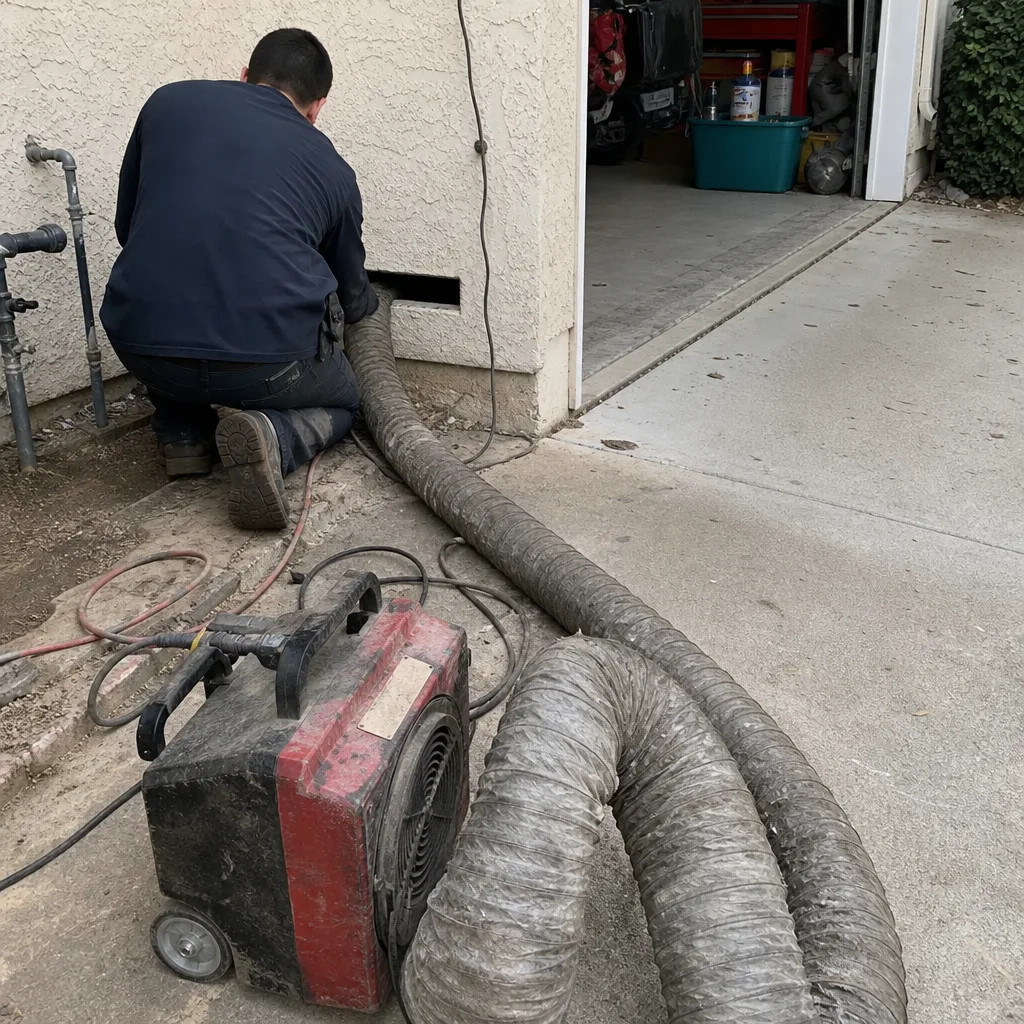 Before
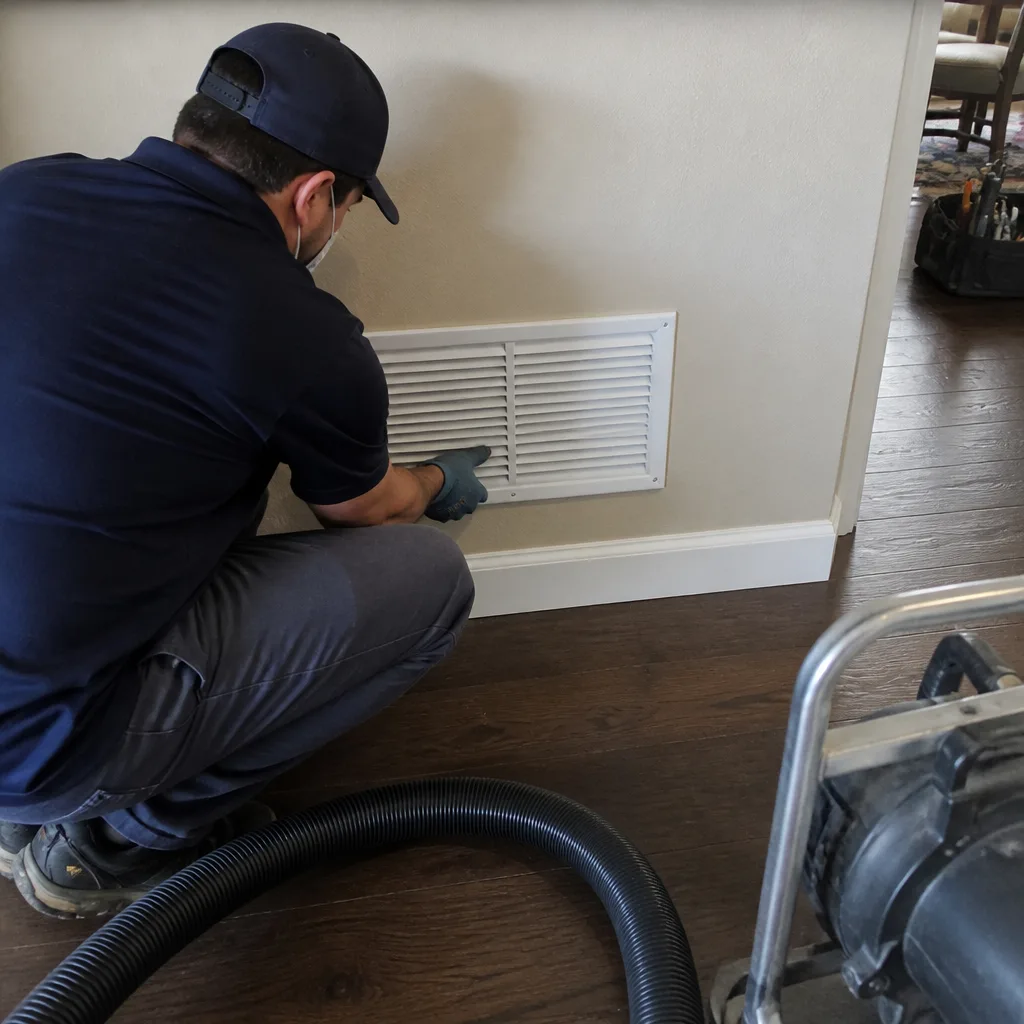 After
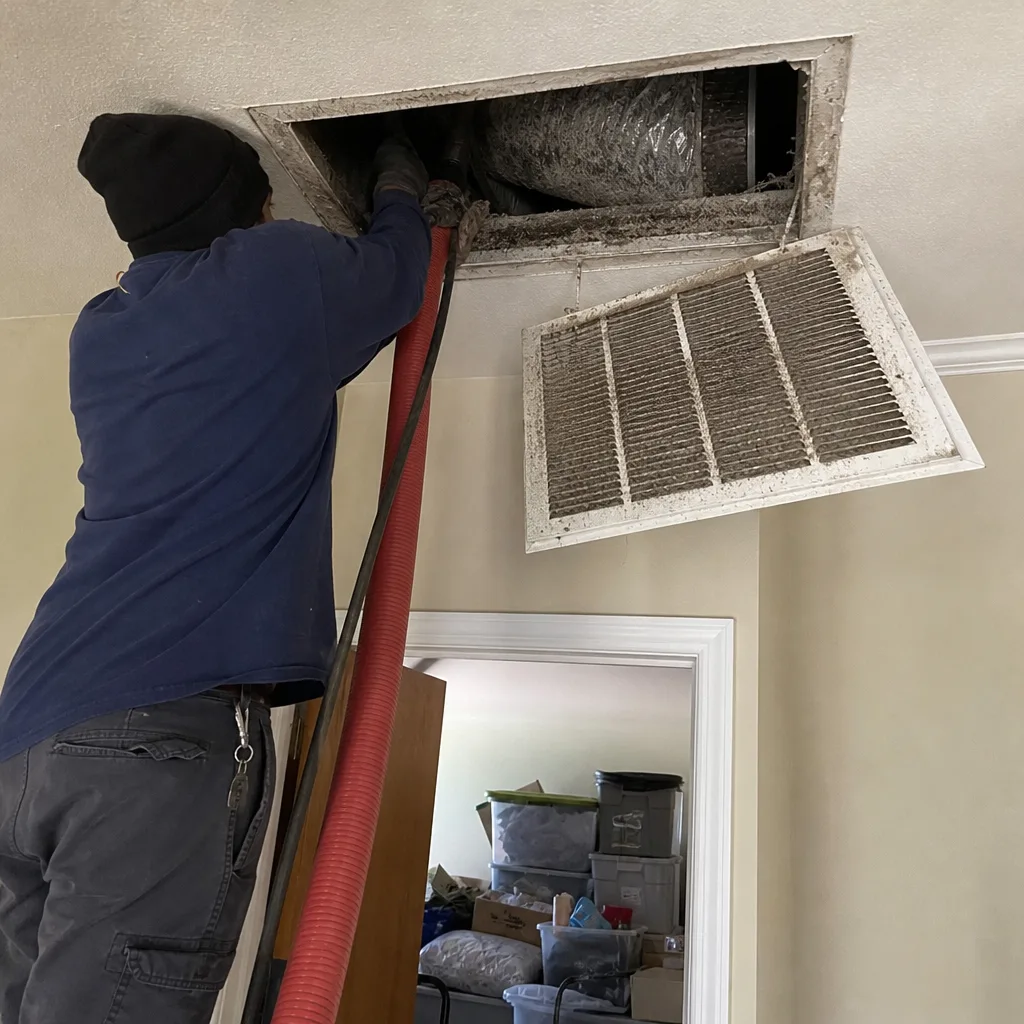 Before
 After
 Before
 After