
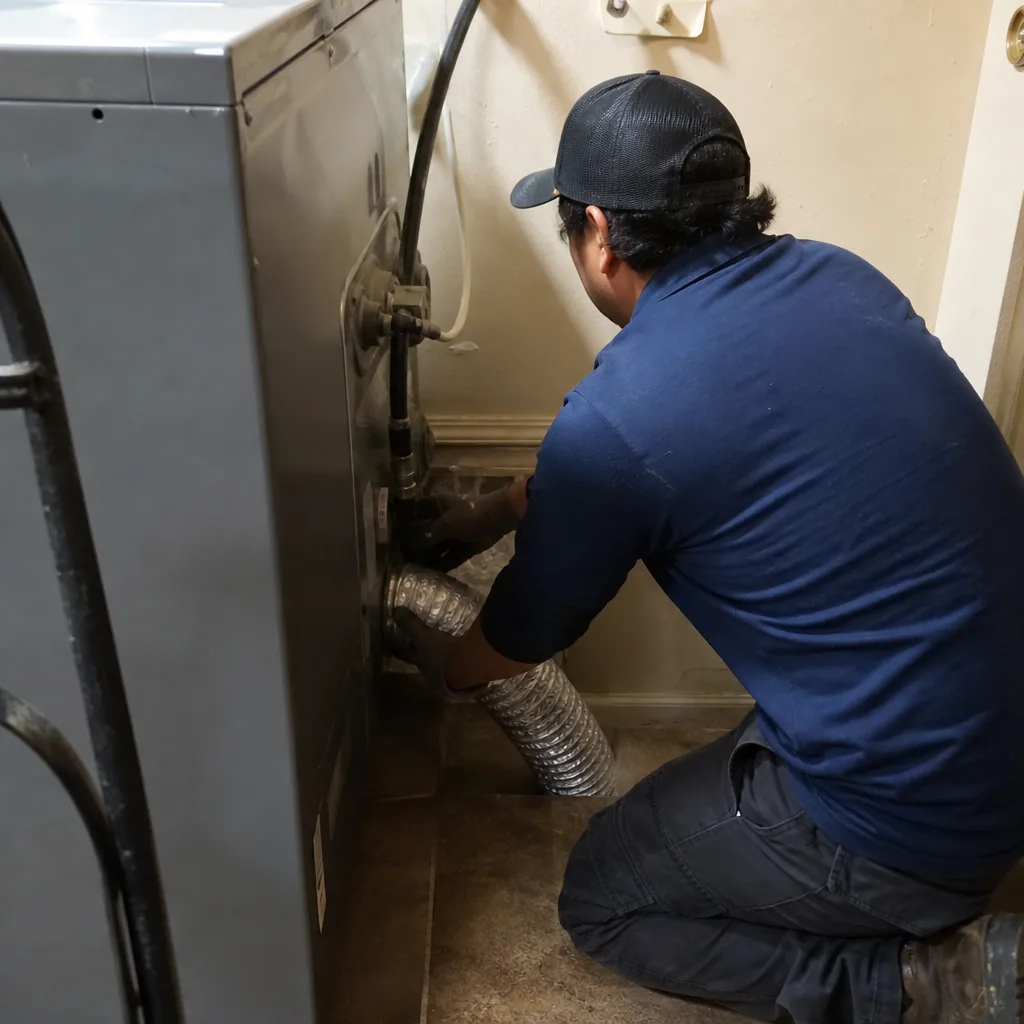
Last updated November 2, 2026
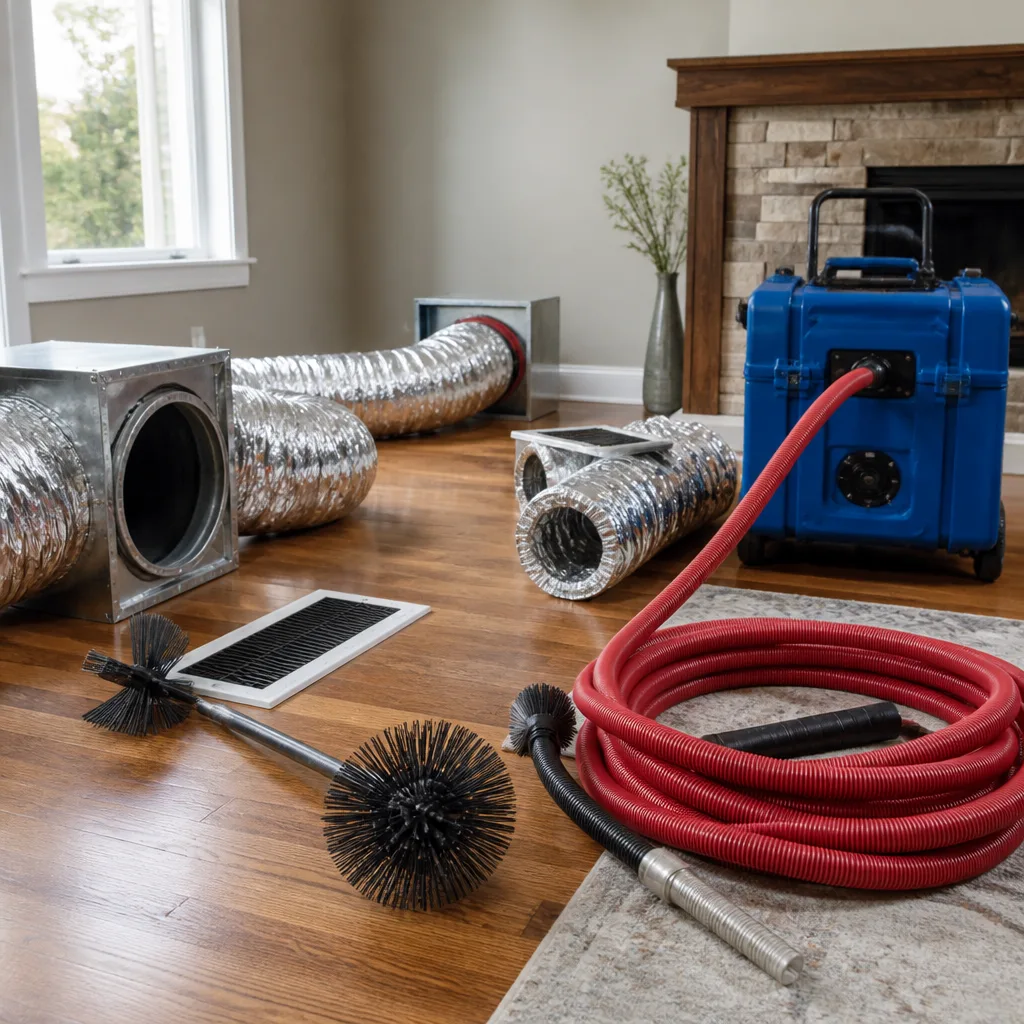 Whole-home duct cleaning
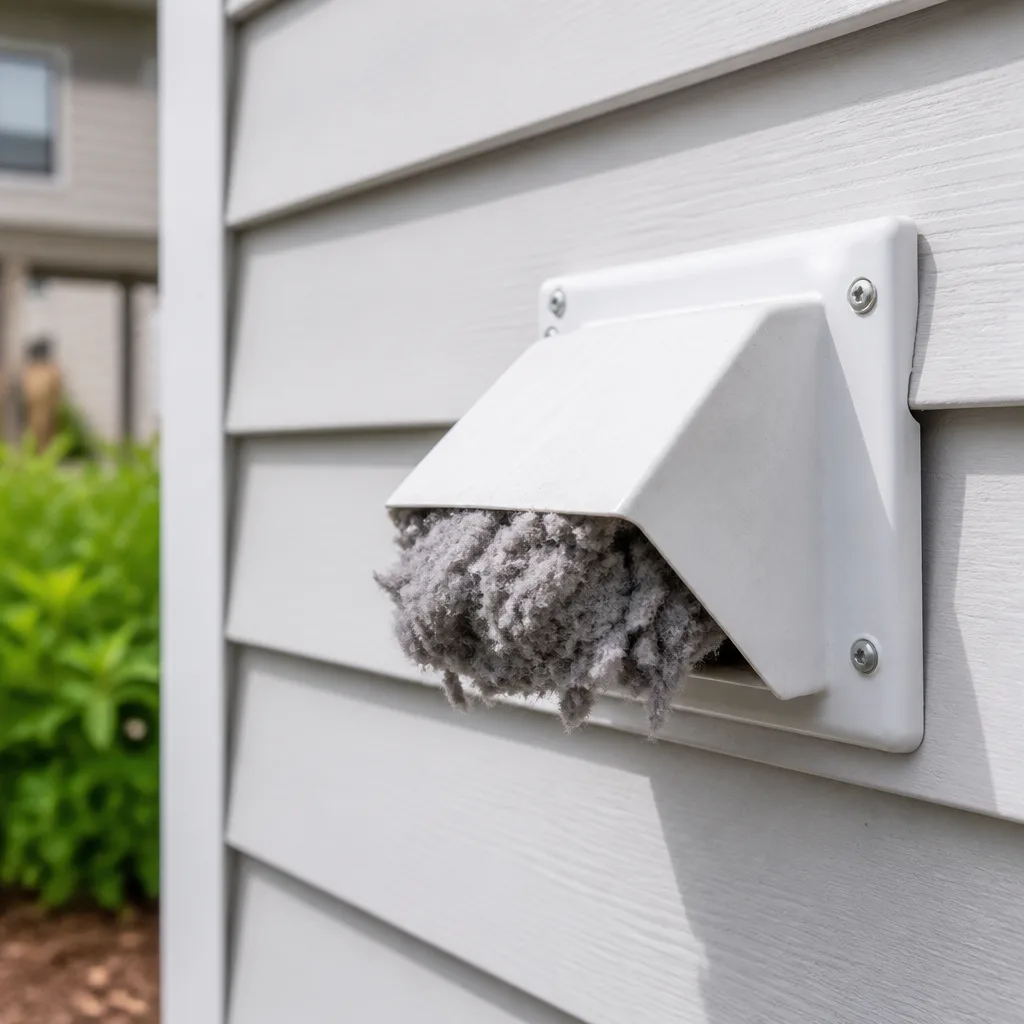 Dryer vent cleaning
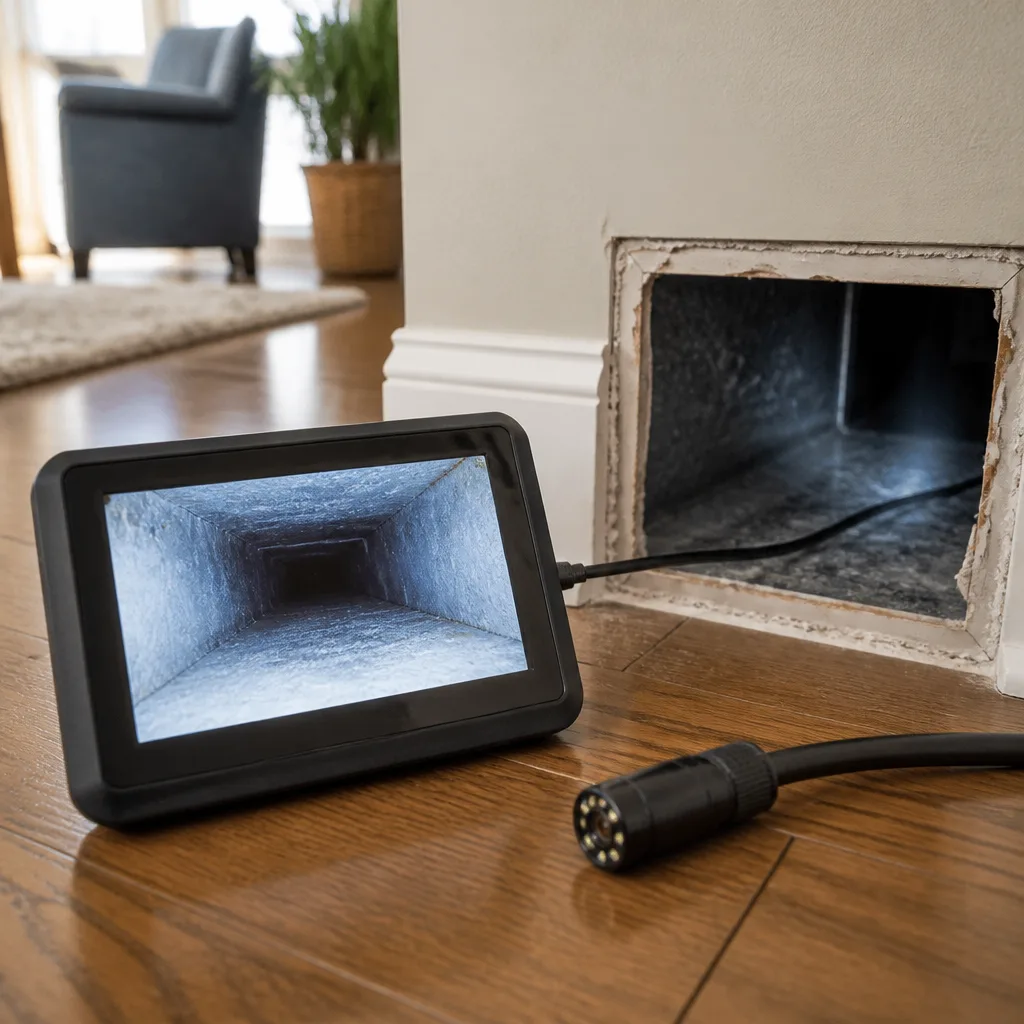 Camera inspection
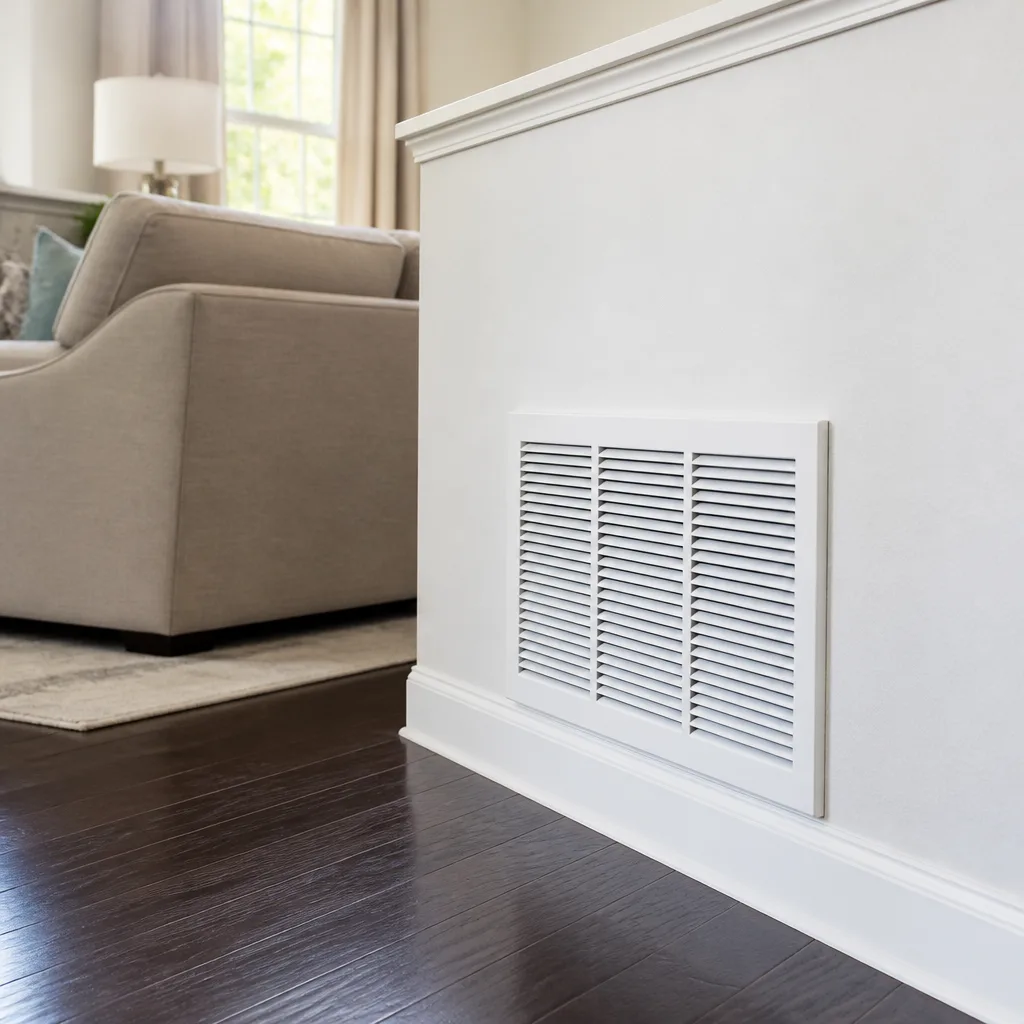 Sanitizing & deodorizing
Whole-system duct and dryer vent check with before-and-after photos - you see exactly what came out of your vents
That "$99 whole-house special" is a bait ad - the real number appears once they are in your hallway, or the "clean" is a shop-vac at the register. We photograph the inside of your ducts before and after instead.
Air Duct Cleaning Maintenance Checklist for Brentwood Homeowners
The most expensive duct cleaning mistake in Brentwood isn’t skipping it. It’s doing it on a calendar schedule instead of a condition-based one. Clean your ducts “every three years” out of habit and you might pay for a service the system didn’t need while missing the return plenum that’s been pulling wildfire ash for two summers. This guide replaces the generic checklist with a documented inspection rhythm: what to check monthly, quarterly, and annually, how Brentwood’s specific dust events change the equation, and the trigger conditions that mean professional cleaning is genuinely warranted right now. You’ll learn how to inspect accessible duct sections yourself, why MERV ratings matter more here than in coastal California, and how to build a baseline record that makes every future decision evidence-based instead of guesswork.
Styles & brands we work with
- Whole-home duct cleaning
- Dryer vent cleaning
- Camera inspection
- Sanitizing & deodorizing
Quick Answer
Air duct cleaning maintenance in Brentwood means monthly filter checks and return grille inspections, quarterly visual checks of supply registers in high-use rooms, and an annual documented inspection of accessible duct sections, the air handler cabinet, and the return air plenum. Professional cleaning is warranted when you see visible dust accumulation on register vanes within weeks of wiping, visible mold inside accessible ducts, rodent evidence, or a post-renovation dust load that hasn’t cleared after you’ve replaced the filter. Condition beats calendar; records beat memory.
Table of Contents
- Monthly Maintenance Tasks for Brentwood Homes
- Quarterly Inspection Tasks: What to Look For
- Annual Deep Inspection: The Air Handler and Return Plenum
- How Brentwood’s Seasons Change the Maintenance Equation
- Filter MERV Ratings and Duct Fouling in Brentwood
- Documenting Baseline Conditions After Professional Cleaning
- Trigger Conditions That Override Your Schedule
- Common Mistakes to Avoid
- When to Call a Professional
- Frequently Asked Questions
- The Bottom Line
Monthly Maintenance Tasks for Brentwood Homes
Monthly duct maintenance is short, simple, and mostly visual. The goal isn’t cleaning; it’s noticing. You’re looking for changes from the baseline, not perfection. These tasks take under fifteen minutes total and tell you more about your system’s actual condition than any annual guesstimate will.
- Check the air filter. Hold it up to a light source. If light doesn’t pass through easily, it’s loaded. In Brentwood, where spring winds drive fine particulate, you may replace a 1-inch filter every 4 to 6 weeks during March through May. Write the install date on the filter frame with a permanent marker so you aren’t guessing later.
- Wipe supply register vanes in the two most-used rooms. Use a damp microfiber cloth on the vent covers in your living room and primary bedroom. Note how much dust comes off. If the vanes are coated again within three weeks, your ducts are shedding or pulling more particulates than the filter is catching.
- Vacuum the return air grille face. The return grille is the system’s mouth. If it’s caked, that’s fine dust from the entire house being pulled toward the air handler. A clean return face means less gets pulled deeper into the duct network.
- Listen for airflow change at the registers. Run the system and put your hand at two different supply registers. The airflow should feel consistent room to room. A weak register often means a disconnected or crushed duct, not a dirty one. That’s a repair issue, not a cleaning issue.
One Brentwood-specific note: if you leave windows open during the cooler evenings in April and October, you’re inviting dust into the house that the filter then has to catch. Homes that keep windows closed through the swing seasons show visibly cleaner return grilles month to month.
Quarterly Inspection Tasks: What to Look For
Quarterly inspections bridge the gap between the quick monthly checks and the annual deep dive. Each one takes twenty to thirty minutes and requires nothing more than a flashlight, a screwdriver for removing register covers where screws are present, and a phone camera. Photos are your documentation system. Take them every quarter from the same angle.
Step-by-Step Quarterly Inspection
- Remove and wash two supply register covers. Take off the covers in the kitchen and the room farthest from the air handler. These are the two registers that typically show the most accumulation. Wash them in warm soapy water, dry them, and inspect the visible duct opening behind them with a flashlight.
- Photograph the first 6 to 12 inches of visible duct interior. The inside of the duct should look clean metal or clean flex liner, not fuzzy gray or brown. A thin layer of dust is normal; a thick coating that you can scrape with a fingernail is not.
- Check the air handler cabinet filter slot and blower area. With the system off, remove the filter and look into the cabinet with a flashlight. You’re looking for visible dust accumulation on the blower wheel vanes. A dust-caked blower wheel reduces airflow significantly and means the air leaving the handler is already dirty, regardless of what’s in the ducts.
- Inspect the condensate drain line for slow drainage. Brentwood’s summer humidity is mild, but air conditioners still produce condensate. If the drain pan under the indoor coil holds standing water, that moisture feeds microbial growth that gets distributed through the supply ducts.
- Compare your photos to last quarter. This is the entire point of quarterly documentation. Same angle, same lighting, side by side. You’re not looking for a dramatic change; you’re looking for a slow trend that tells you when professional Air Duct Cleaning in Brentwood is becoming warranted.
If you see any of the following during a quarterly check, escalate the item to the trigger conditions section: visible mold of any color inside the duct, rodent droppings or nesting material, a quarter-inch or more of dust caked on the blower wheel, or water stains on the duct interior.
Annual Deep Inspection: The Air Handler and Return Plenum
Once a year, set aside an hour for the inspection most homeowners skip: the air handler cabinet and the return plenum. These are the two places where duct contamination begins. The return side pulls unfiltered or partially filtered air from the living space toward the handler. The supply side pushes conditioned air back out. Problems in the return plenum and air handler mean the entire system is compromised before cleaning even becomes relevant.
What to Check at the Air Handler
- Blower wheel condition. With the power off at the disconnect switch, shine a flashlight into the blower housing. Dust on the forward-curved vanes reduces airflow by a measurable percentage and unbalances the wheel over time. A coated wheel means the air leaving your handler is dirtier than the air entering the filter. No filter fixes that.
- Evaporator coil face. In Brentwood, the cooling season runs long enough that the indoor coil sees real use from June into October. Dust accumulation on the coil face reduces heat exchange and holds moisture longer, which is where the microbial conditions start.
- Filter bypass gaps. Check whether the filter fits the slot snugly. Gaps around the filter frame let unfiltered air pass around it, which accelerates duct fouling even when you’re changing the filter on schedule. A simple foam gasket tape fixes most bypass gaps.
- Return plenum interior. The plenum is the large box the return duct connects to. It’s often lined with insulation or raw sheet metal. It’s also the first thing that gets dirty when the system pulls from the living space. Inspect it with a flashlight and photograph it.
If the blower wheel, coil, or return plenum show significant accumulation, professional cleaning is warranted regardless of what the supply registers look like. The supply side may look fine while the entire return path is loading the system with dust from inside the house. In our experience, Brentwood homes from the 1990s and 2000s with original flex ducts show this pattern more often than newer builds; the older flex liner degrades and holds dust differently than rigid metal.
How Brentwood’s Seasons Change the Maintenance Equation
Brentwood sits in a specific dust and particulate pattern that generic maintenance guides don’t account for. The checkerboard of agricultural land, suburban development, and the Delta influence creates three distinct seasonal events that directly affect how fast your ducts load with debris. A checklist built for a Los Angeles condo or a Sacramento office building misses these; your maintenance calendar needs to be built around them instead.
Spring wind events (March through May). The Delta breeze and valley wind patterns push fine topsoil and agricultural dust across Brentwood during the spring. Homes in neighborhoods bordering open land or active orchards see measurable dust accumulation on window sills and return grilles during these months. If you run the system with windows open during spring, you’re introducing that dust directly into the duct network. Filter changes double in frequency during this window for many Brentwood homes. Plan for it.
Harvest and fall particulate (September through November). Harvest activity in the surrounding agricultural areas generates organic dust: chaff, fine soil, and field debris that carries farther than you’d expect. Combined with the first furnace runs of the season, this is when systems that sat dusty through summer start circulating accumulated material. The first heating cycle after a dusty fall is when many homeowners notice a musty or dusty smell from the registers.
Wildfire smoke intrusion (variable, typically June through October). Brentwood’s proximity to the Delta means smoke events from regional wildfires settle into the valley rather than clearing quickly. Smoke particulate is fine enough to pass through standard 1-inch fiberglass filters, coat the blower wheel and coil, and embed in flex duct liner. After any smoke event that lasts more than two or three days, inspect your filter and blower wheel sooner than the calendar would suggest. Smoke residue is sticky; it bonds to surfaces differently than dry field dust.
The practical takeaway: your maintenance schedule should compress around these three events. Monthly checks are your baseline in winter and midsummer. During spring winds, harvest season, and after smoke events, step up to weekly filter checks and monthly register inspections until conditions normalize.
Filter MERV Ratings and Duct Fouling in Brentwood
The filter you choose determines how fast your ducts load with particulates. It also determines how hard your blower works. Brentwood’s seasonal dust pattern makes the wrong filter choice a compounding problem: too low a MERV rating lets fine particulate into the ducts, while too high a rating with a 1-inch slot chokes airflow through the system.
Here’s how the ratings practically apply to a Brentwood home:
- MERV 1-4 (basic fiberglass panels). These catch only the largest particles and do almost nothing for the fine agricultural dust Brentwood sees in spring. Ducts behind these filters load quickly. Not recommended for any Brentwood home with central air.
- MERV 5-8 (pleated 1-inch). The reasonable baseline for Brentwood homes without specific allergy or respiratory concerns. These catch a meaningful percentage of field dust and smoke particulate without significant airflow restriction, provided you change them monthly during the seasonal events and at least every three months otherwise.
- MERV 9-13 (higher-efficiency pleated). Good for allergy-sensitive households and for smoke-season performance. The catch: many 1-inch filter slots can’t handle the pressure drop. If your system runs long cycles or you notice reduced airflow at the registers, the filter is too restrictive for the duct design. In that case, a media cabinet retrofit with a 4- or 5-inch filter gives you the same MERV rating at a fraction of the pressure drop.
- MERV 14+ (hospital-grade). Almost always the wrong choice for a residential Brentwood system unless the HVAC equipment and ductwork were specifically designed for it. The airflow restriction shortens blower motor life and can cause coil freeze during cooling season.
Our work with Duct Cleaning Brentwood home systems includes Honeywell and Aprilaire media cabinet retrofits for homeowners who want higher filtration without choking a standard 1-inch slot. The filter and the ducts work as one pathway; choosing the wrong filter type is one of the fastest ways to accelerate duct fouling while reducing comfort at the same time. When we complete an Air Duct Repair in Brentwood job, the filter housing is one of the first things we inspect for compatibility problems.
Documenting Baseline Conditions After Professional Cleaning
A baseline is only useful if it exists. Most Brentwood homeowners get their ducts cleaned, note the date somewhere, and then evaluate future decisions with no reference point. That’s how the calendar-guess cycle starts: you can’t remember when it was done, you can’t remember what it looked like after, so you either clean too early out of caution or ignore a system that’s genuinely fouled because the memory of the invoice is stronger than the memory of the improvement.
After any professional Air Duct Cleaning in Brentwood, build a five-minute documentation record. A notes app or a simple photo folder works fine; the system matters less than the consistency.
- Photograph the supply register interiors from at least three registers. Same rooms, same angles, every time. These photos are your reference for what “clean” looks like in your specific ducts.
- Photograph the blower wheel and return plenum if the technician opens the air handler. These are the two hardest areas to see regularly and the two that matter most. Get the photos while the access is open.
- Record the install date and MERV rating of the filter installed at the time of cleaning. Your baseline is tied to a specific filter setup. Change the filter type and the baseline comparison weakens.
- Note any repairs made during the cleaning, including duct sealing or duct repair, and where. A sealed return leak changes system behavior and dust loading. Future comparisons need to account for that change.
- Write down the square footage of duct run cleaned and the number of supply and return registers. This makes any future quote comparison apples-to-apples rather than marketing noise.
This record is what lets you make evidence-based decisions. Twelve months later, when you photograph the same registers again, you’ll either see a system that’s holding clean or one that’s trending toward another cleaning. The photos tell you which. Memory doesn’t.
Trigger Conditions That Override Your Schedule
Some conditions mean professional attention is warranted regardless of what your maintenance calendar says. These are the triggers that should override any “we’re not due yet” instinct. Most of them are visible or measurable; none of them require specialized equipment to identify.
- Visible mold inside accessible ductwork or on the blower wheel. Any color, any amount. Mold in the air path means spores are being distributed through the supply registers every time the system runs. Cleaning with appropriate contaminant-control protocols is the minimum response, and Abatement Technologies products are part of how we handle this situation. This is not a homeowner DIY task.
- Rodent activity. Droppings, nesting material, or a dead animal anywhere in the duct system. Rodents in ducts is a sanitation issue before it’s a dust issue. The ductwork needs cleaning and often repair where entry points are identified.
- Post-renovation construction dust. Sheetrock dust, sawdust, and demolition particulate get pulled into the return side and coat everything downstream of the filter. Filter replacement doesn’t fix this; the duct interior itself is loaded. If you’ve had any renovation work that generated dust while the HVAC ran, the ducts need professional attention after the work is complete.
- Measurable airflow loss at multiple registers. If the airflow from two or more supply registers feels weak compared to baseline and you’ve ruled out a dirty filter, something is restricting the system. Restricted flex ducts, collapsed duct sections, and severely obstructed coils all cause this. Cleaning addresses the fouling; Air Duct Repair addresses the structural failure. Both may be needed.
- Persistent dust accumulating on surfaces within days of cleaning. If you dust the furniture and it’s coated again within three to four days, and you’re changing the filter on schedule, the duct system is shedding accumulated particulate into the living space. This is one of the clearest signals that the ducts themselves have become the dust reservoir.
- A musty or burning odor from the registers during system startup. Musty indicates microbial growth or moisture in the ducts. Burning dust during the first heating cycle is simply the accumulated summer dust burning off the heat exchanger. The former needs investigation; the latter usually clears within the first couple of cycles.
These triggers share one characteristic: waiting doesn’t improve them. The longer a rodent or mold issue sits in the ducts, the more extensive the remediation. If you see any of these conditions, call for a professional assessment rather than adding it to next quarter’s checklist.
Common Mistakes to Avoid
These are the errors we see repeatedly in Brentwood homes, and they cost money in both directions: cleaning that didn’t need to happen and deferred cleaning that became a bigger job.
- Cleaning on a fixed calendar schedule without documentation. Every three years is a guess, not a plan. Your system’s actual condition determines need, and a three-year interval may be too long for a home near agricultural land that runs the system during harvest season.
- Choosing the cheapest filter available. The $2 fiberglass panel protects nothing downstream of it. Fine Delta dust and smoke particulate pass straight through. The duct system pays the price over time.
- Selecting the highest MERV rating available without checking compatibility. A MERV 13 filter in a standard 1-inch slot can choke airflow to the point that the blower motor overworks and the coil freezes in summer. High filtration requires the right housing for the rating to work correctly.
- Cleaning only the visible supply registers. Wiping register covers addresses the visible surface. The duct interior, return plenum, blower wheel, and coil are where the contamination lives. Register cleaning alone gives a false sense of cleanliness.
- Ignoring the return side. The return path pulls every particle in the living space toward the handler. A dirty return plenum feeds contamination into the air handler even when the filter is fresh. Many Brentwood homes have return grilles mounted low in hallways where they pick up tracked-in dust and pet hair constantly.
- Running the HVAC during renovation work without sealing the ducts. Construction dust gets pulled into the returns and distributed through the supply side. Sealing the registers and returns, or keeping the system off entirely during dusty work, prevents a post-renovation cleaning bill that’s larger than it needed to be.
- Assuming a newer home has clean ducts. Construction debris, drywall dust, and debris from framing are common in new Brentwood builds. Builders don’t clean ducts before occupancy. A home that’s two years old can have a return plenum filled with cutoffs and sawdust from the build process.
When to Call a Professional
Some conditions fall outside the scope of a homeowner maintenance checklist, and the responsible answer is a professional assessment rather than another quarter of watching. Visible mold inside any accessible duct section is a professional-level issue that requires contaminant-control protocols during cleaning. Rodent evidence means droppings, nesting, and often entry points that need structural repair alongside the cleaning. Severe airflow loss that persists after a filter change points to a system restriction that may involve Air Duct Repair, not just cleaning. Post-renovation dust loading is another condition where professional-grade equipment makes the difference; our Rotobrush and Nikro systems reach what residential vacuums can’t access in the main trunk lines and branch runs. Duct Cleaning Brentwood offers free estimates in Brentwood. Call (833) 631-4988 to schedule an assessment.
Frequently Asked Questions
There’s no fixed interval that applies universally, but Brentwood homes near agricultural land or open fields typically show meaningful duct accumulation every 3 to 5 years when the system runs seasonally and the homeowner changes filters during the spring and harvest dust events. Homes in newer developments with tight envelopes, modern filtration, and windows kept closed may go 5 to 7 years. The only way to know is to document register conditions quarterly and compare against your post-cleaning baseline. Call (833) 631-4988 for a no-obligation evaluation based on what’s actually visible in your system.
Professional cleaning removes the accumulated dust reservoir inside the ductwork that continually sheds into the living space, which is why many homeowners notice a measurable drop in surface dust after the work is done. The effect depends on how much dust the ducts held and what’s happening at the return side. If the blower wheel and return plenum were loaded, the improvement is typically significant. If the filter is inadequate for Brentwood’s seasonal particulate, dust re-accumulation will happen faster regardless of cleaning.
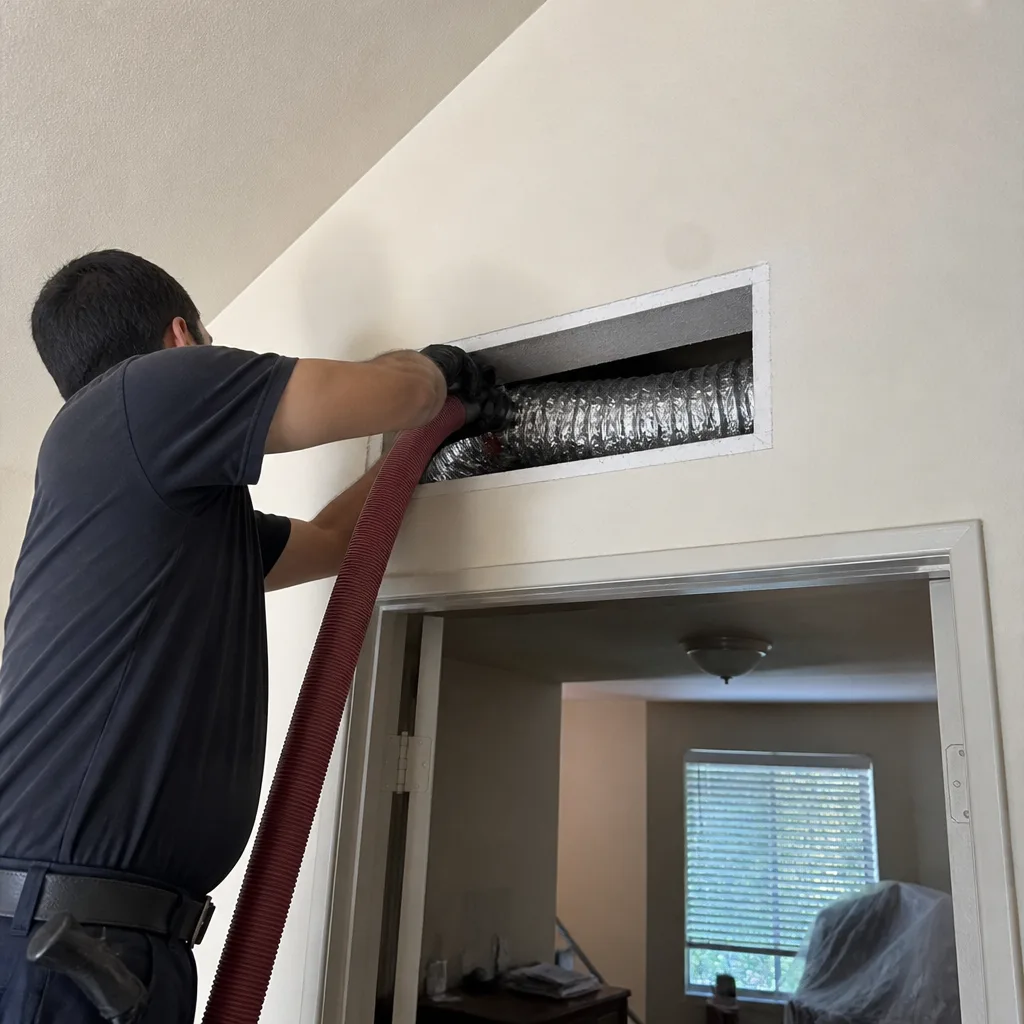
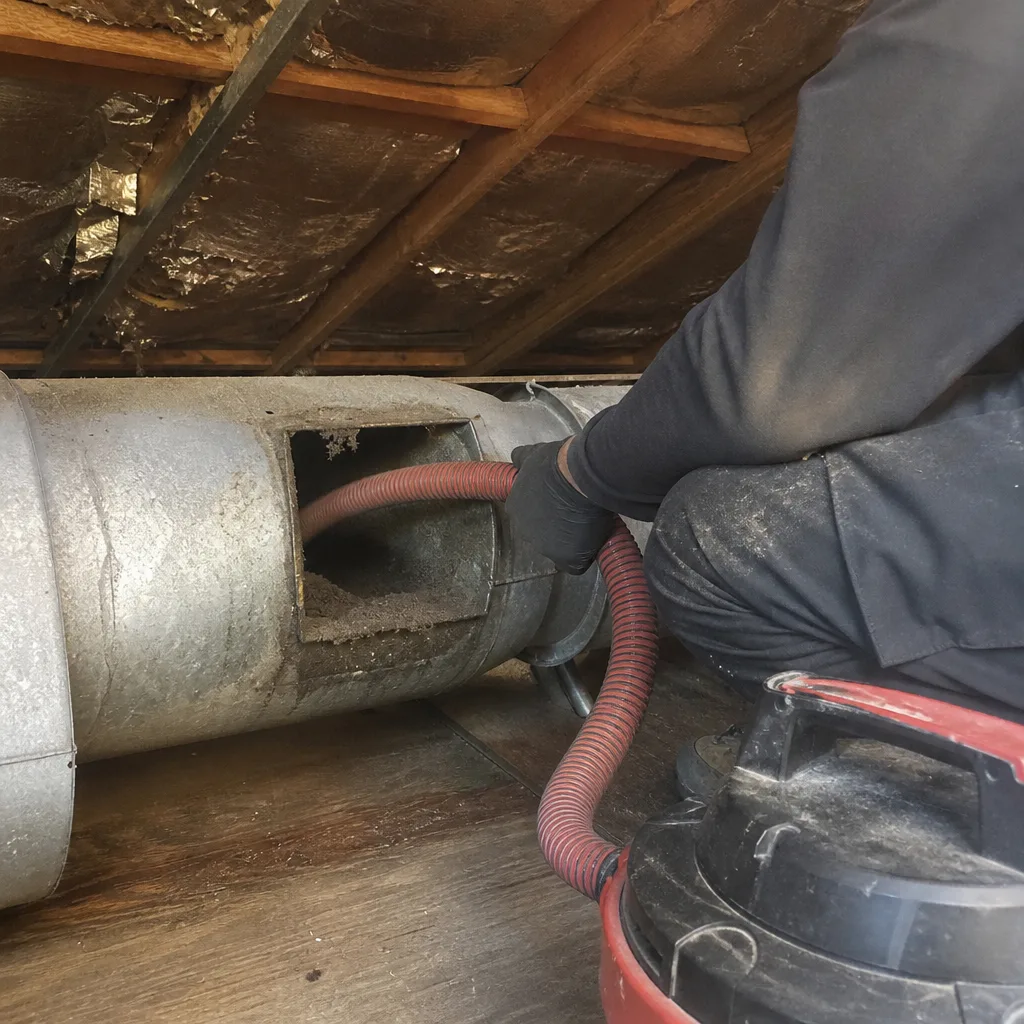
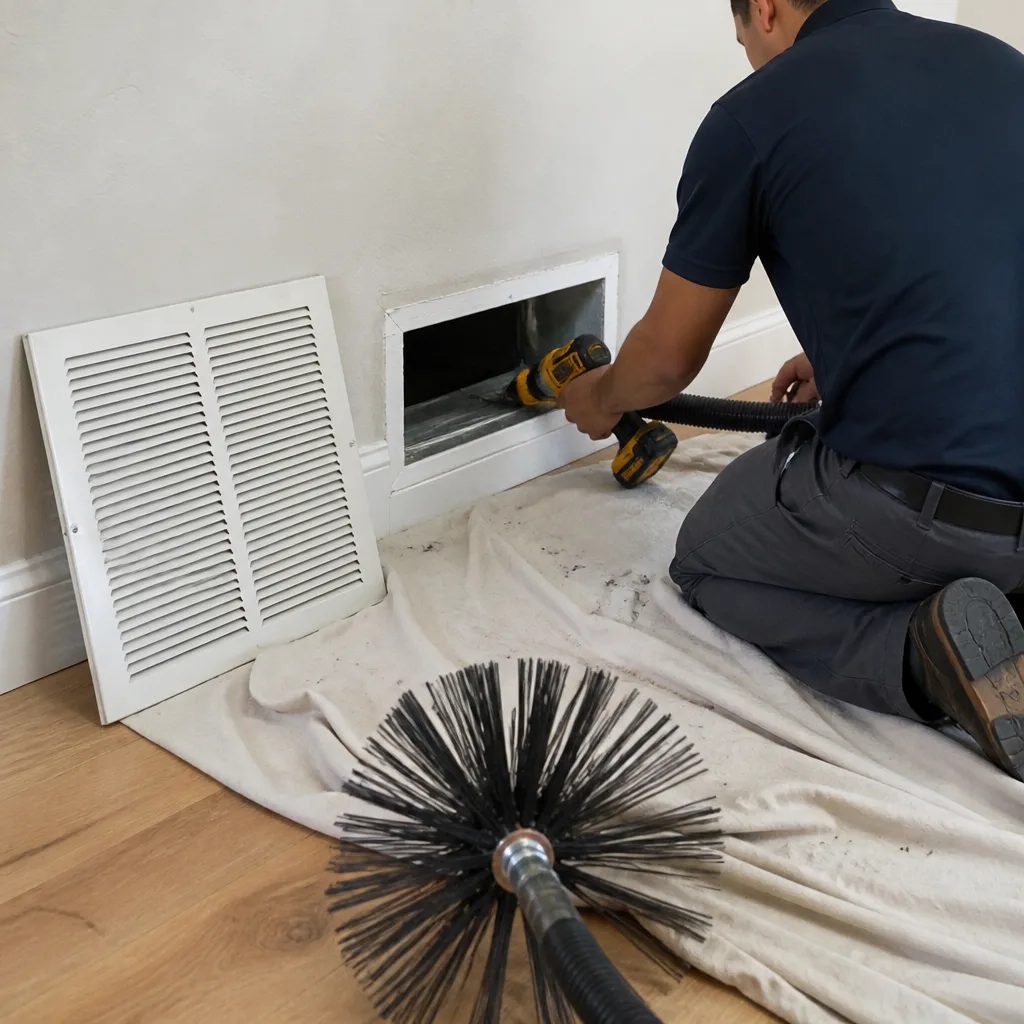
Register cleaning addresses the visible vent covers. Professional cleaning uses negative-pressure systems like our Rotobrush and Nikro equipment to clean the full interior of the trunk lines, branch runs, return plenum, and often the air handler cabinet. The technical difference is simple: our equipment reaches the duct interior where contamination actually circulates. A shop vac on a register opening doesn’t create the airflow needed to pull accumulated debris from the full duct run.
Smoke particulate itself doesn’t typically damage duct material, but it bonds to interior surfaces and embeds in flex duct liner in a way that ordinary filter replacement doesn’t address. After significant smoke exposure, the residue remains until professional cleaning removes it. In homes near open space where Brentwood smoke events repeated over multiple seasons, we’ve seen smoke residue combine with normal household dust to form a coating that’s noticeably harder to remove than standard residential dust.
Older Brentwood homes, especially those built before 2000, often contain decades of accumulated dust from previous occupants, including pet dander, tobacco residue if applicable, and construction debris from past renovations. A professional cleaning after purchase establishes a documented baseline for your ownership period and addresses conditions you can’t know about from a standard home inspection, which typically doesn’t include duct interior inspection. It’s one of the more practical things you can do in the first thirty days of ownership.
Air duct cleaning in Brentwood typically runs between $350 and $600 for a standard single-family home with up to 10-12 registers, depending on system size, accessibility, and how heavily the ducts are loaded. Prices vary based on the extent of contamination, whether the air handler blower and coil are included, and whether repairs are needed. Duct Cleaning Brentwood provides one flat price per system agreed to before work starts, with no per-vent pricing. Call (833) 631-4988 for an exact quote. Estimates are free.
The Bottom Line
A maintenance checklist for Brentwood ducts works when it’s built around what your system actually experiences: spring wind dust, harvest particulates, smoke events, and the particular filter situation in your home. Monthly filter checks, quarterly register documentation, and an annual air handler inspection give you the evidence you need to decide when professional cleaning is warranted instead of guessing on a calendar interval. Keep the documentation habit after every cleaning so each comparison is meaningful. And treat trigger conditions like mold, rodents, post-renovation dust, and unexplained airflow loss as immediate action items rather than items for next quarter’s list. Condition-based decisions, consistently documented, beat calendar-based guessing every time in Brentwood’s distinctive dust environment.
Written by the team at Duct Cleaning Brentwood, serving Brentwood since 2018. For more on our specific services, see our Air Duct Cleaning in Brentwood, Dryer Vent Cleaning in Brentwood, and Air Duct Repair pages.
See the difference
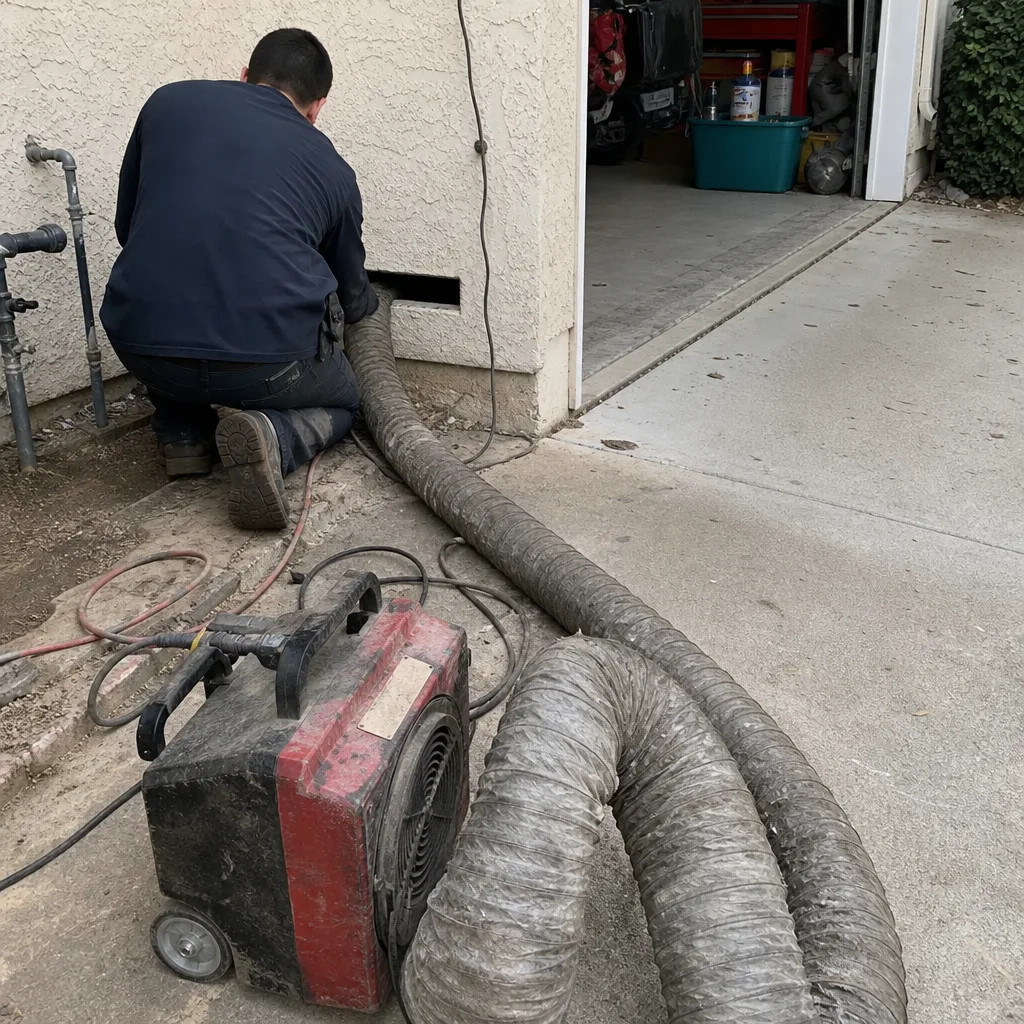 Before
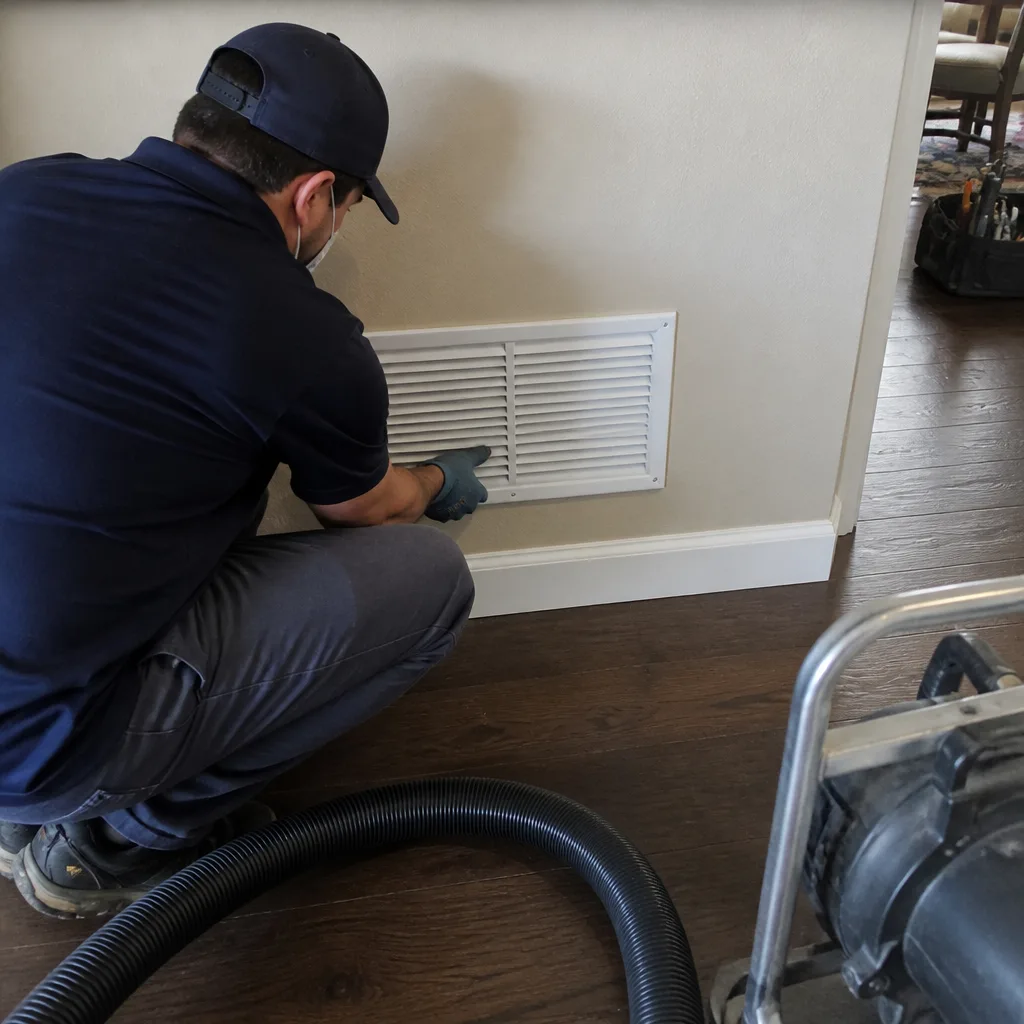 After
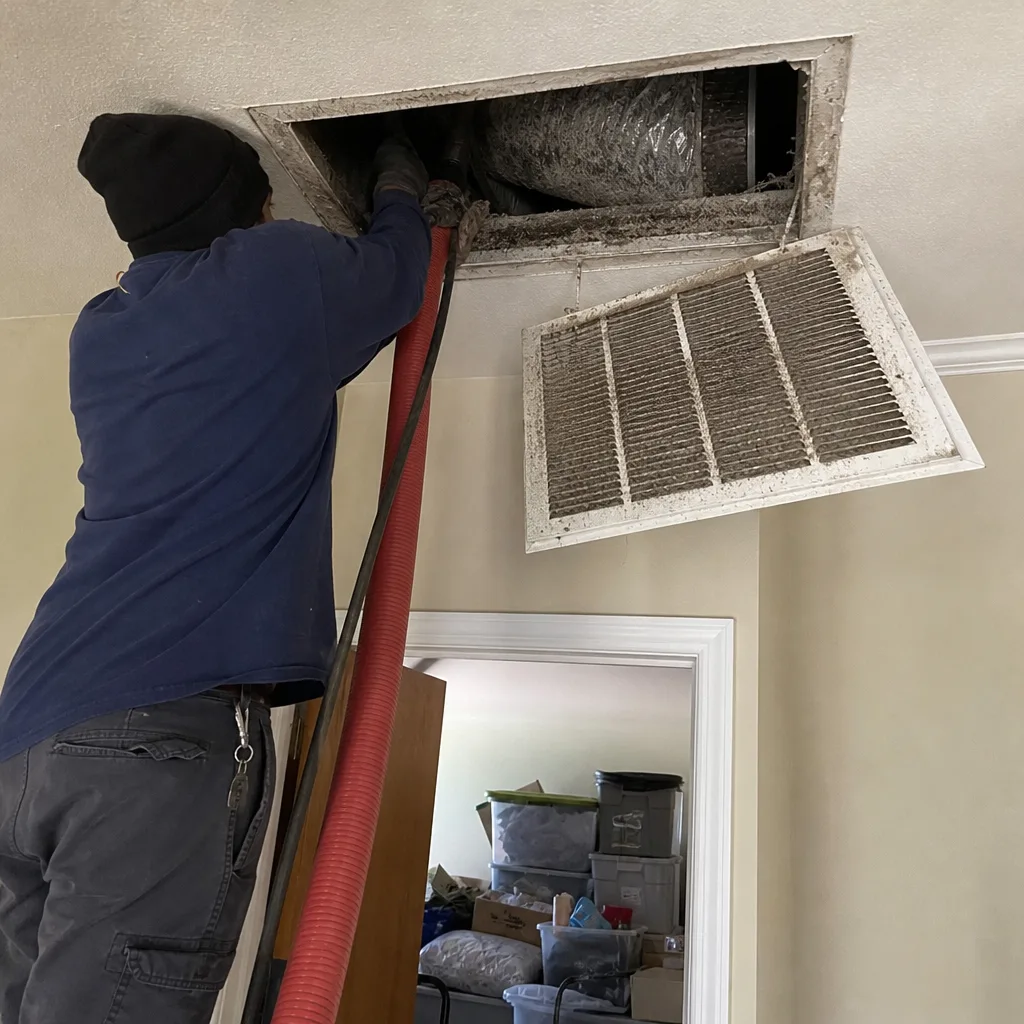 Before
 After
 Before
 After